Designing Web3:
Journey with Zerion
My role included driving product launches, enhancing user experiences, and building scalable design systems in a cross-functional team.
From zero to over 400,000 MAU & 150,000 DAU
More than $100,000,000 in transaction volume
Over 5,000,000 transactions monthly
Role
Senior Product Designer
Platforms
iOS, Android, Web, Browser Extension
Key Achievements
- 2021: Wallet Launch – Transitioned Zerion from a portfolio tracker to a comprehensive Web3 wallet, launching on iOS and Android.
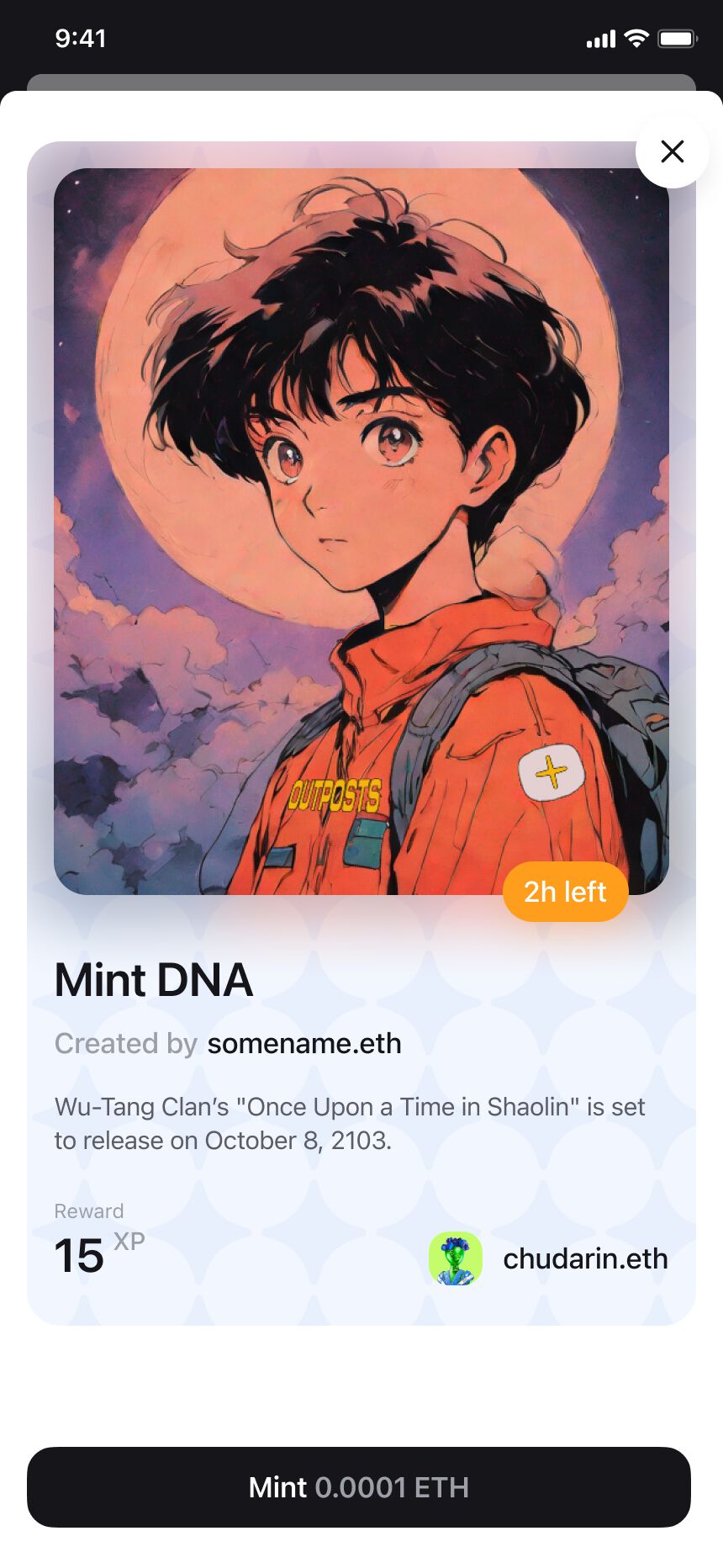
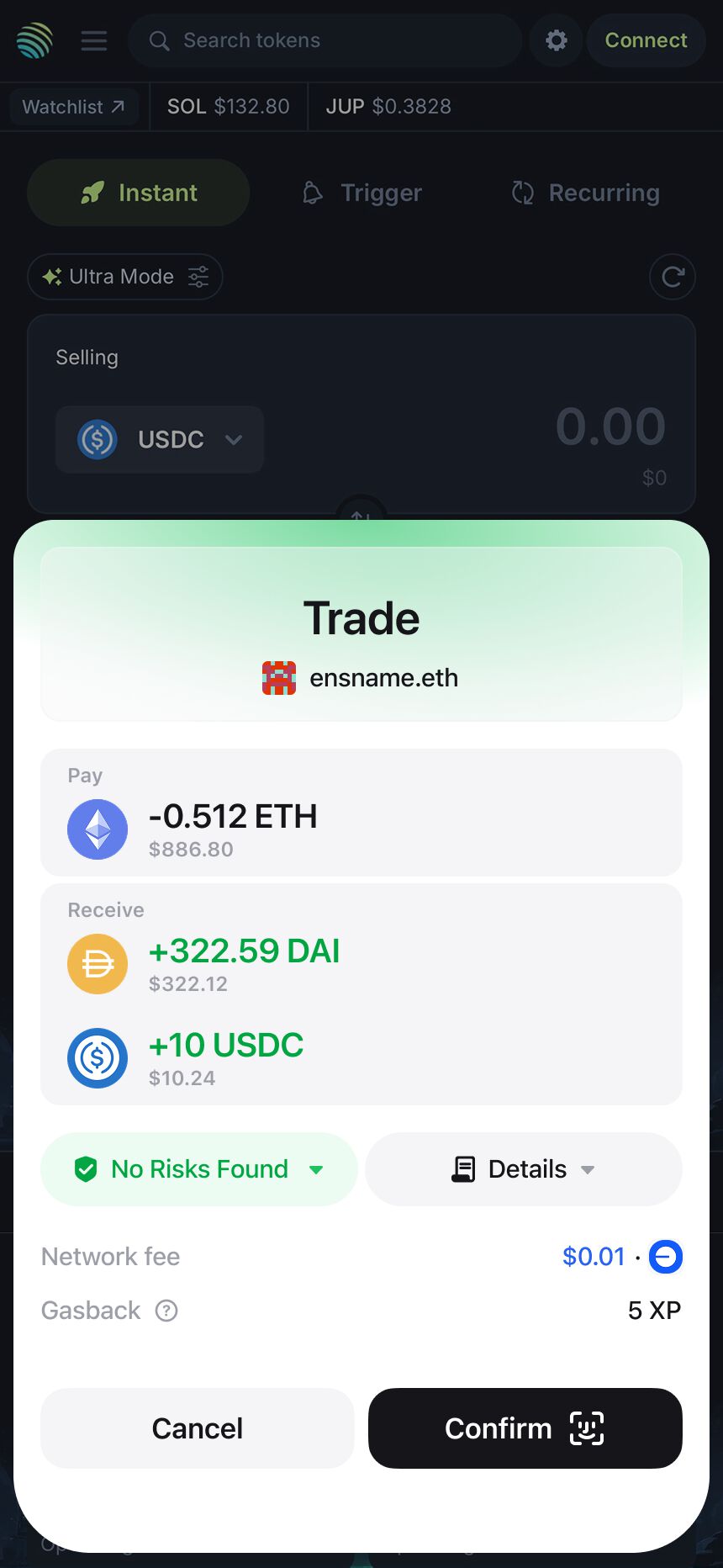
- 2022: Trading & Security – Redesigned Swap, Send, Stake, and introduced security measures like Phishing Defense and Transaction Simulation. Initiated Zerion DNA.
- 2023: Browser Extension – Designed and released the Zerion Browser Extension, Cloud Backups, and advanced networking support.
- 2024: Premium & Design System – Launched Premium subscription and significantly upgraded Zerion’s cross-platform Design System. Improved extension UI and network switching experiences.
- 2025: Loyalty & Optimisation – Led the Zerion Loyalty Program, new Referral System and Asset Page redesign, enhancing user engagement and consistency. Refined design workflows and completed UI audits. Introduced and tested new Navigation 3.0
About my work at Zerion
I found Zerion as a portfolio tracker: users could only watch their assets and DeFi positions.
"Users could track their assets, but couldn't interact — this was a huge opportunity. So we transformed Zerion into easy-to-use and intuitive wallet, allowing users to send transactions."
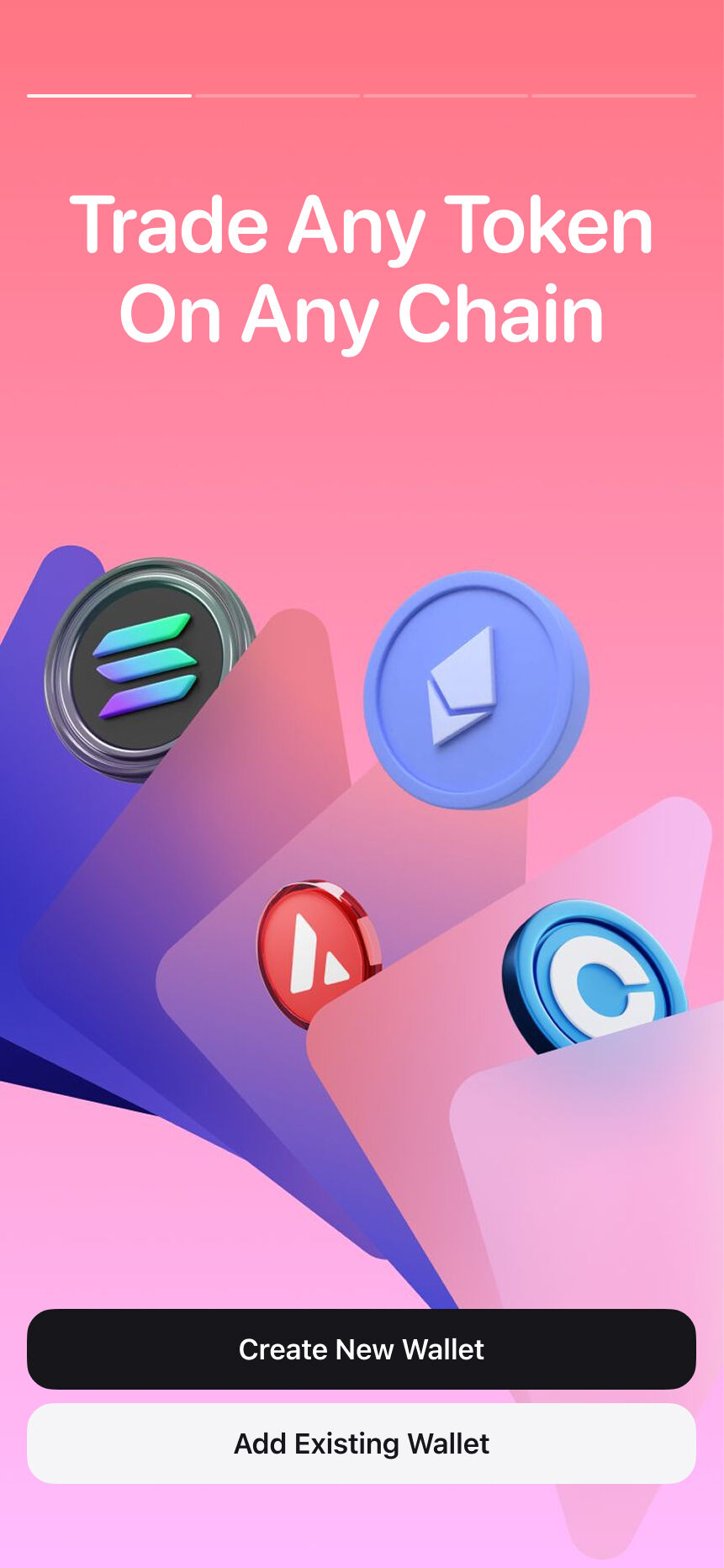
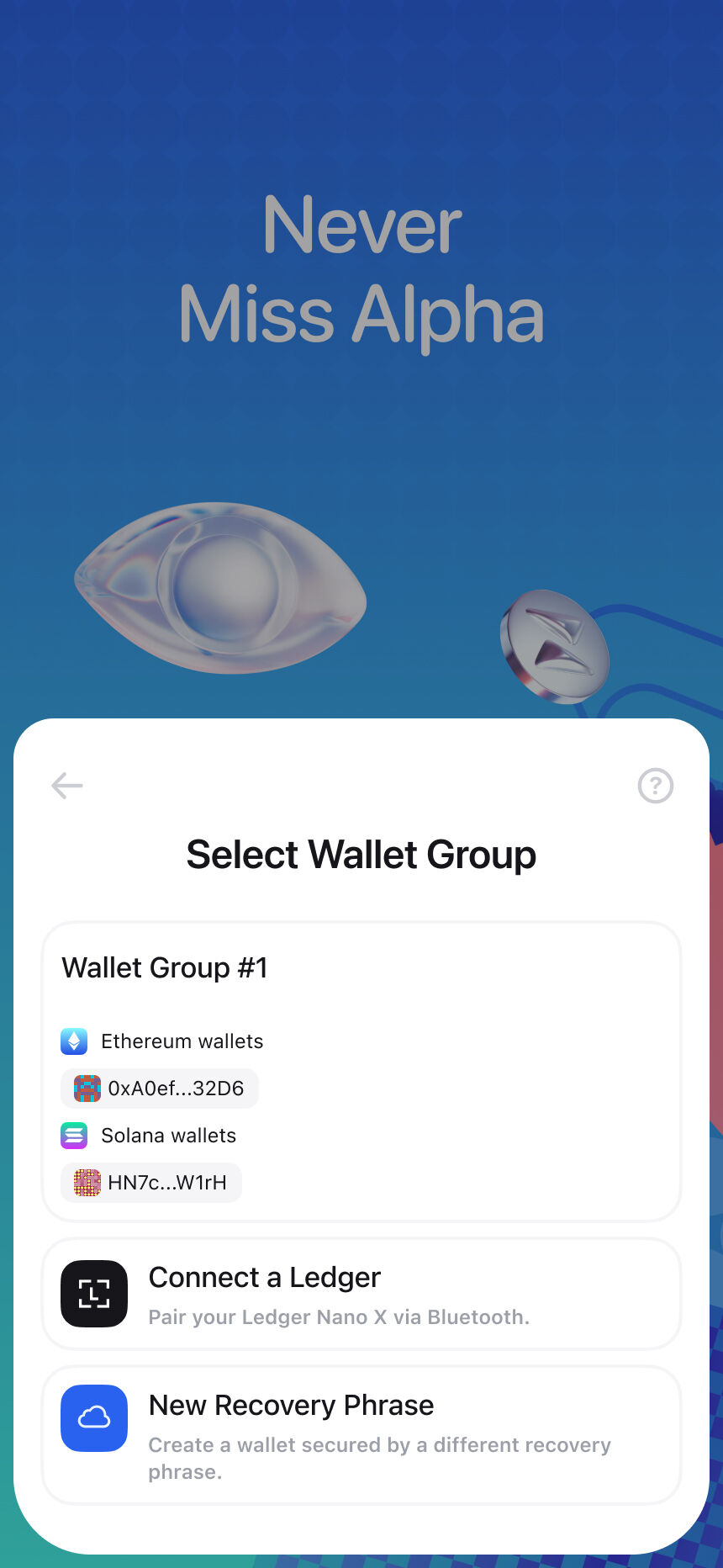
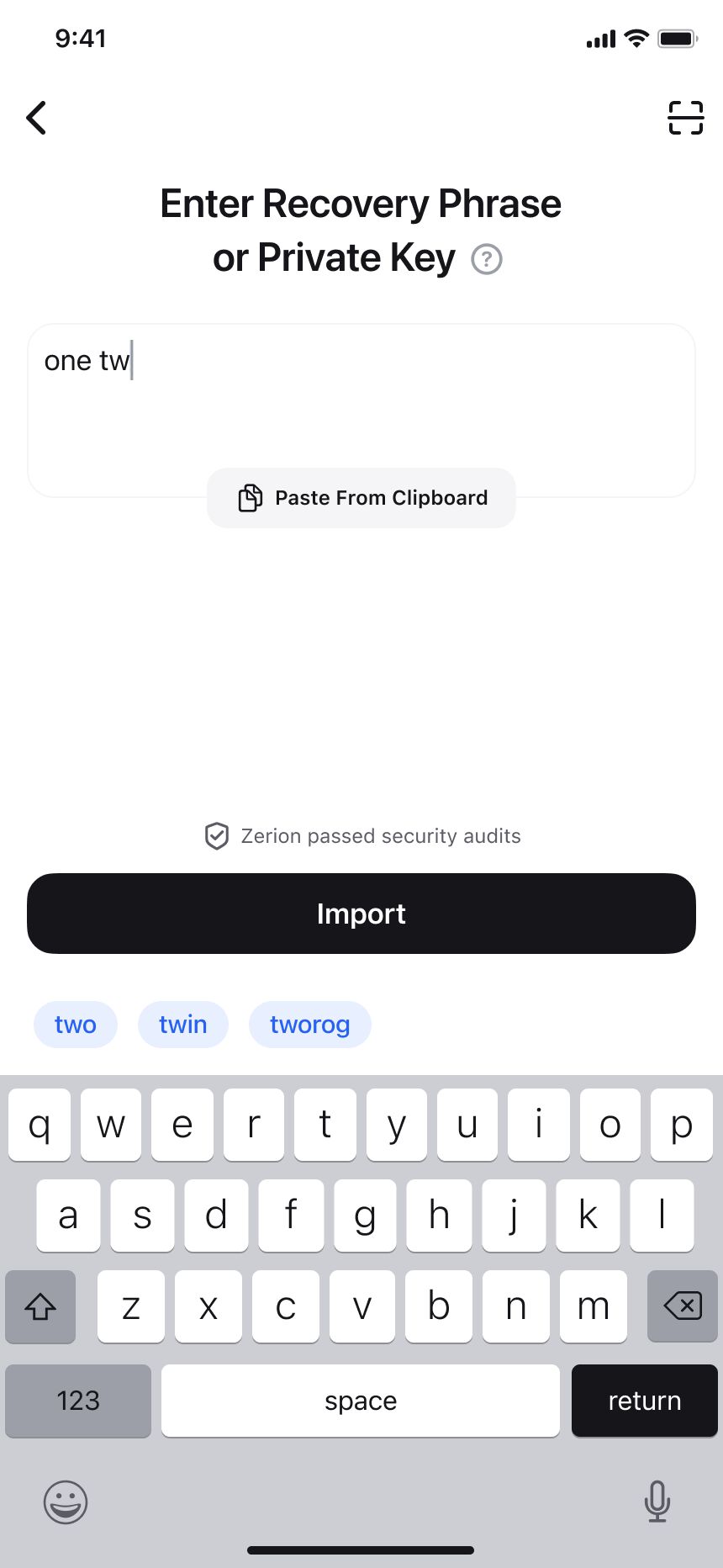
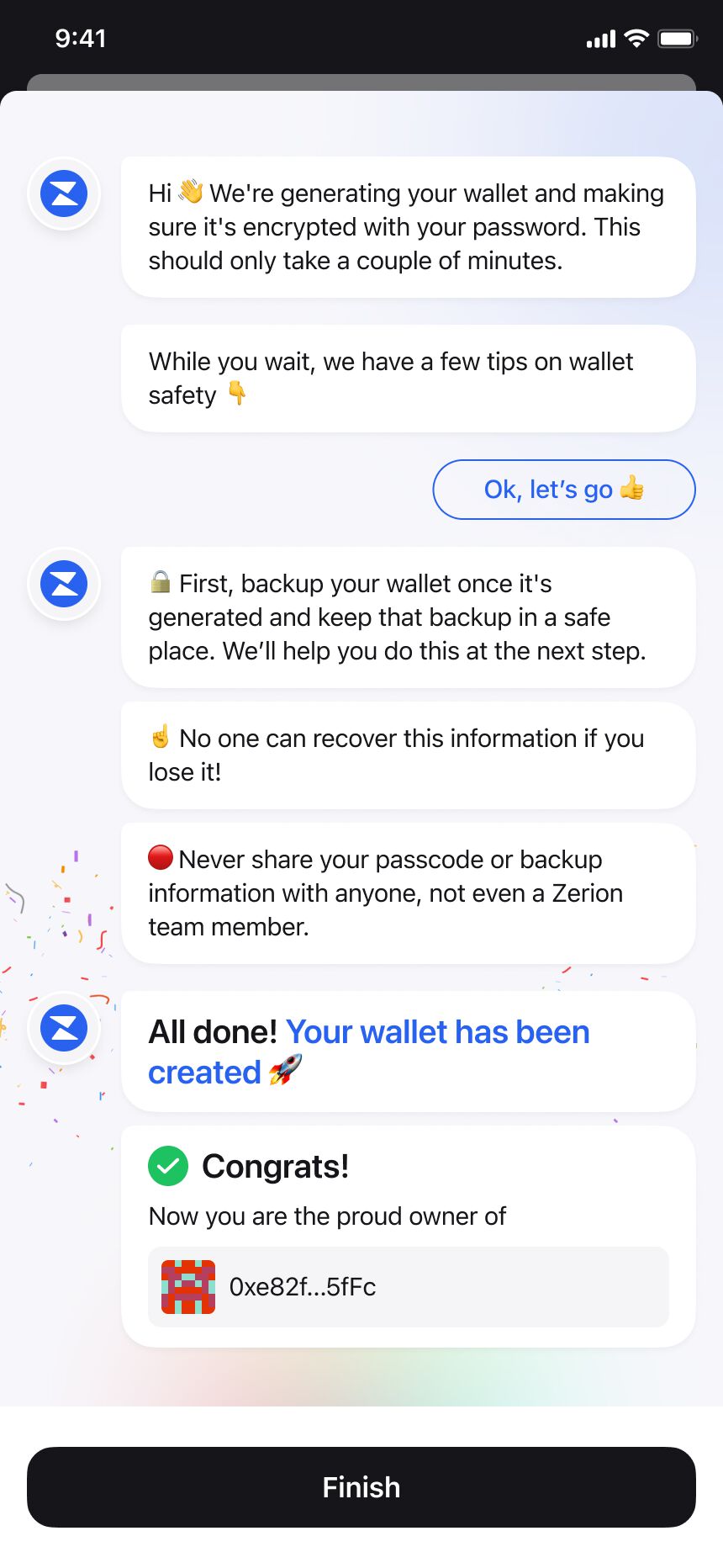
Wallet Launch: I designed iOS and Android apps, created a new Onboarding flow with wallet creation and backups.
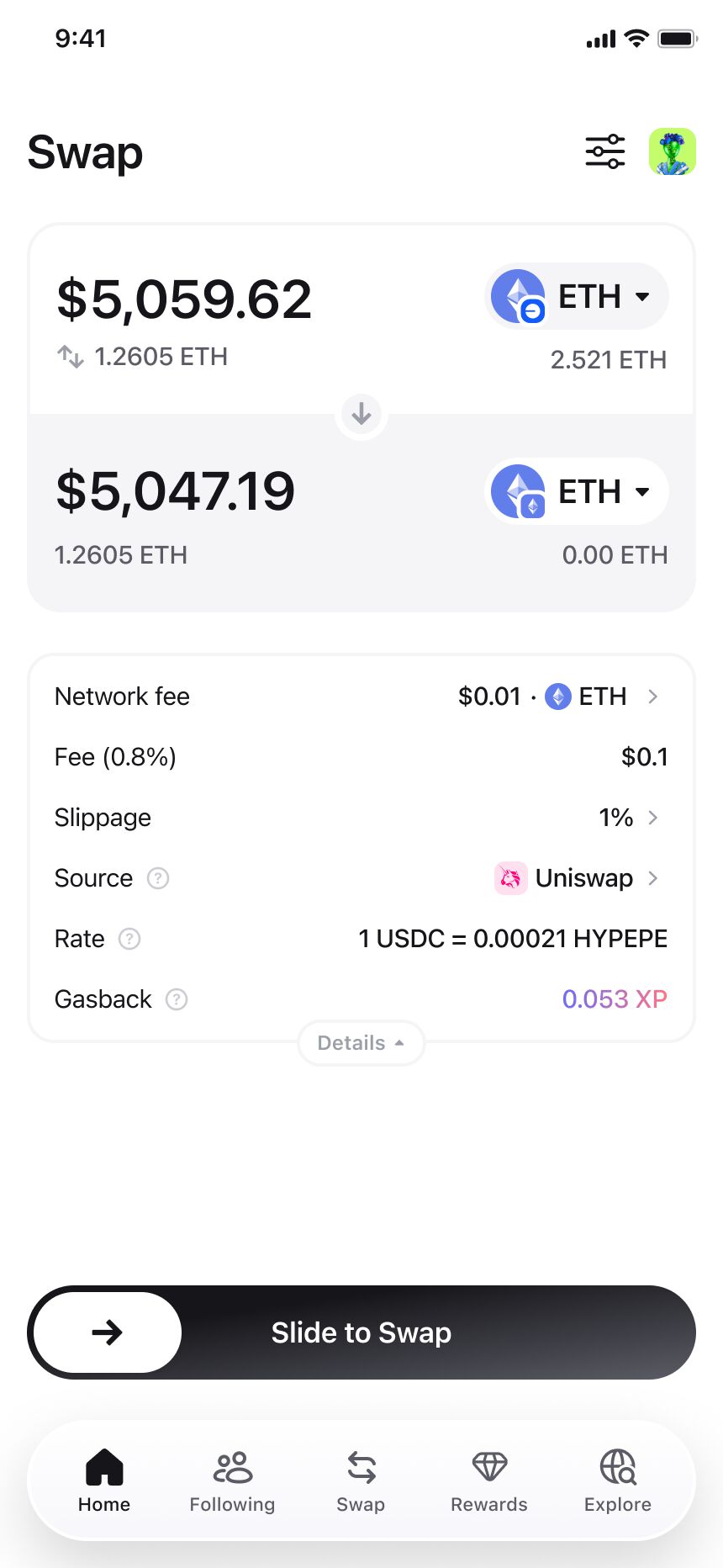
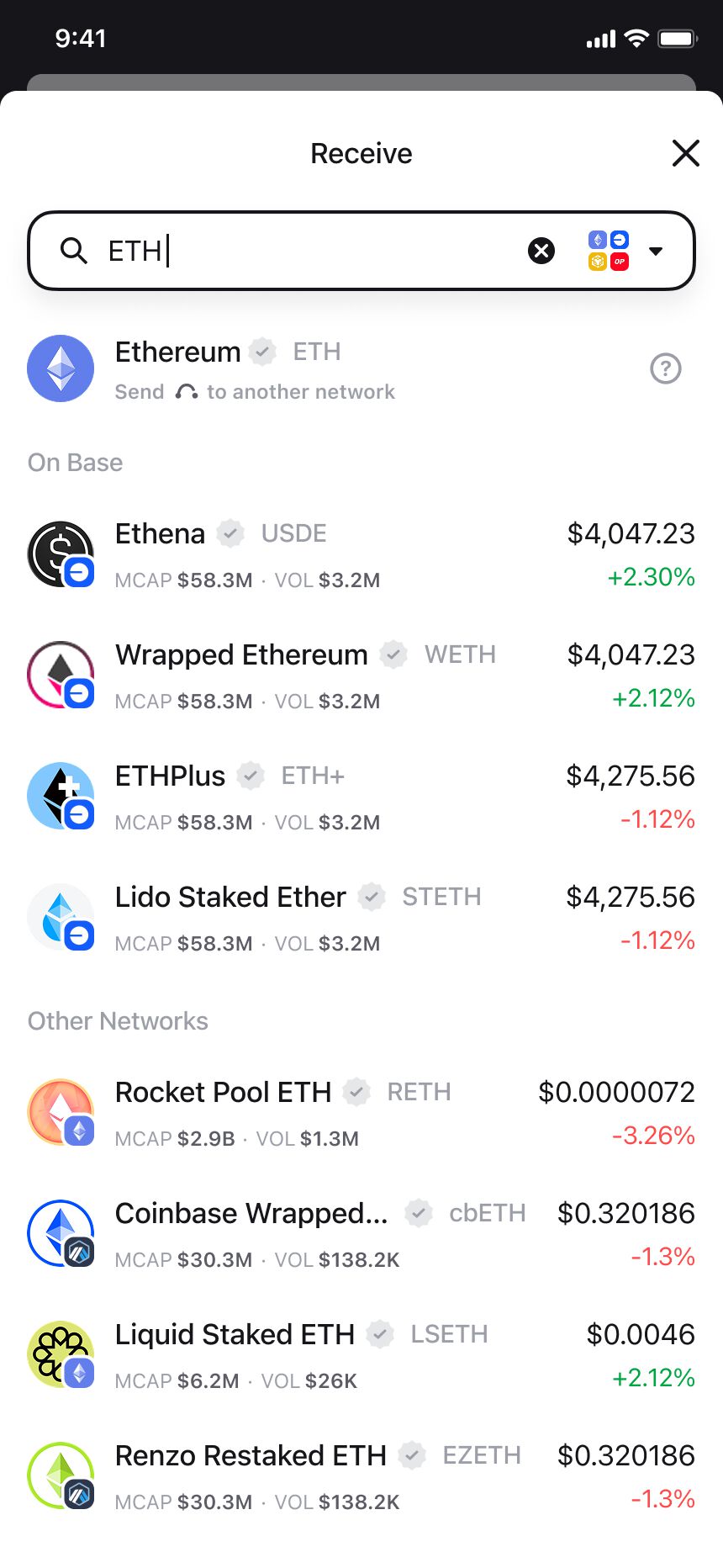
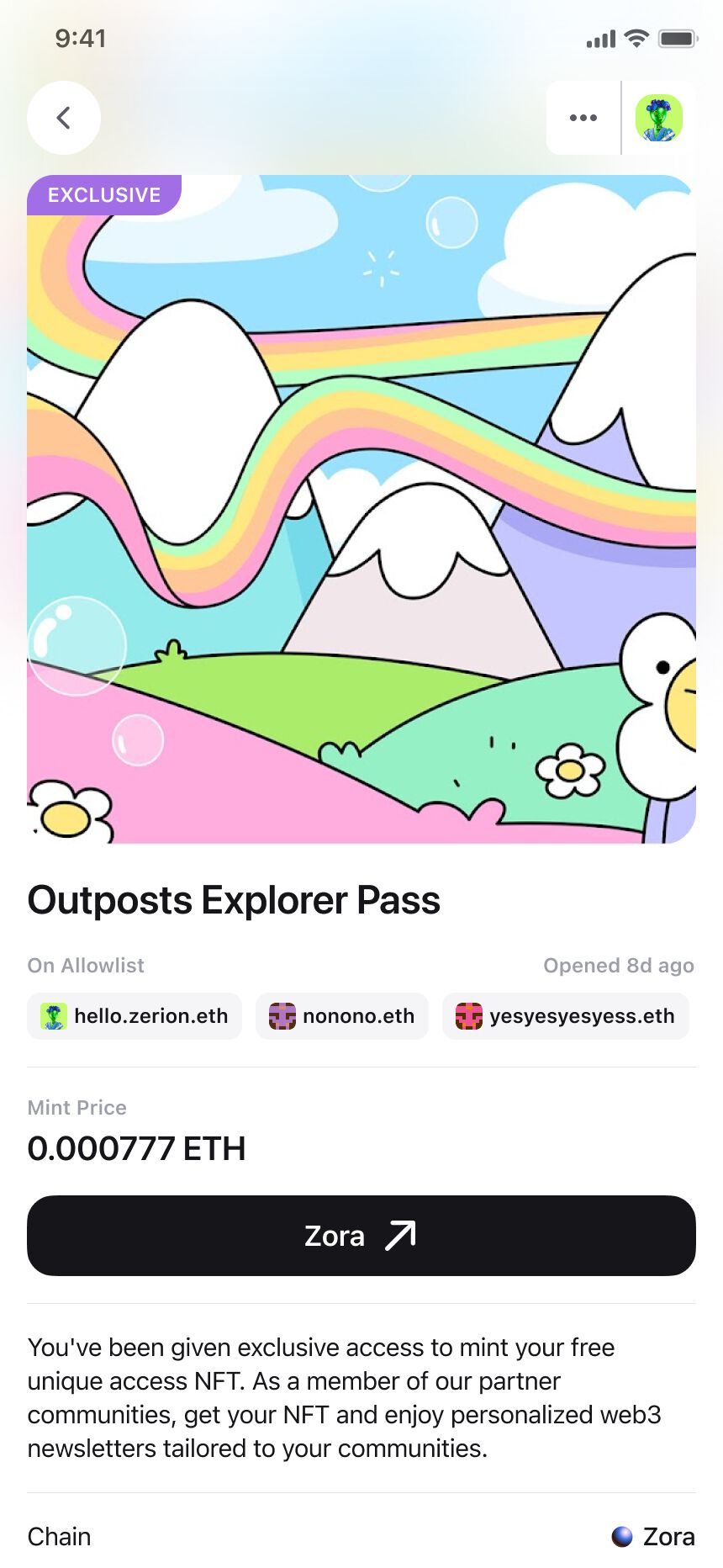
New Features: together with the team, implemented Swap, Send, Bridge and support for NFTs, music, and other digital assets.
Security: I participated in developing transaction simulation and phishing protection systems, not just at the design level, but also at the level of core ideas and principles.
Premium & Loyalty: developed Premium subscription, referral system and loyalty program.
Browser Extension: I designed the browser extension with multi-network support. This brought over 80k new active users monthly.
"Web3 moves incredibly fast. To succeed, we had to rapidly adapt and constantly innovate to stay ahead of trends and user expectations."
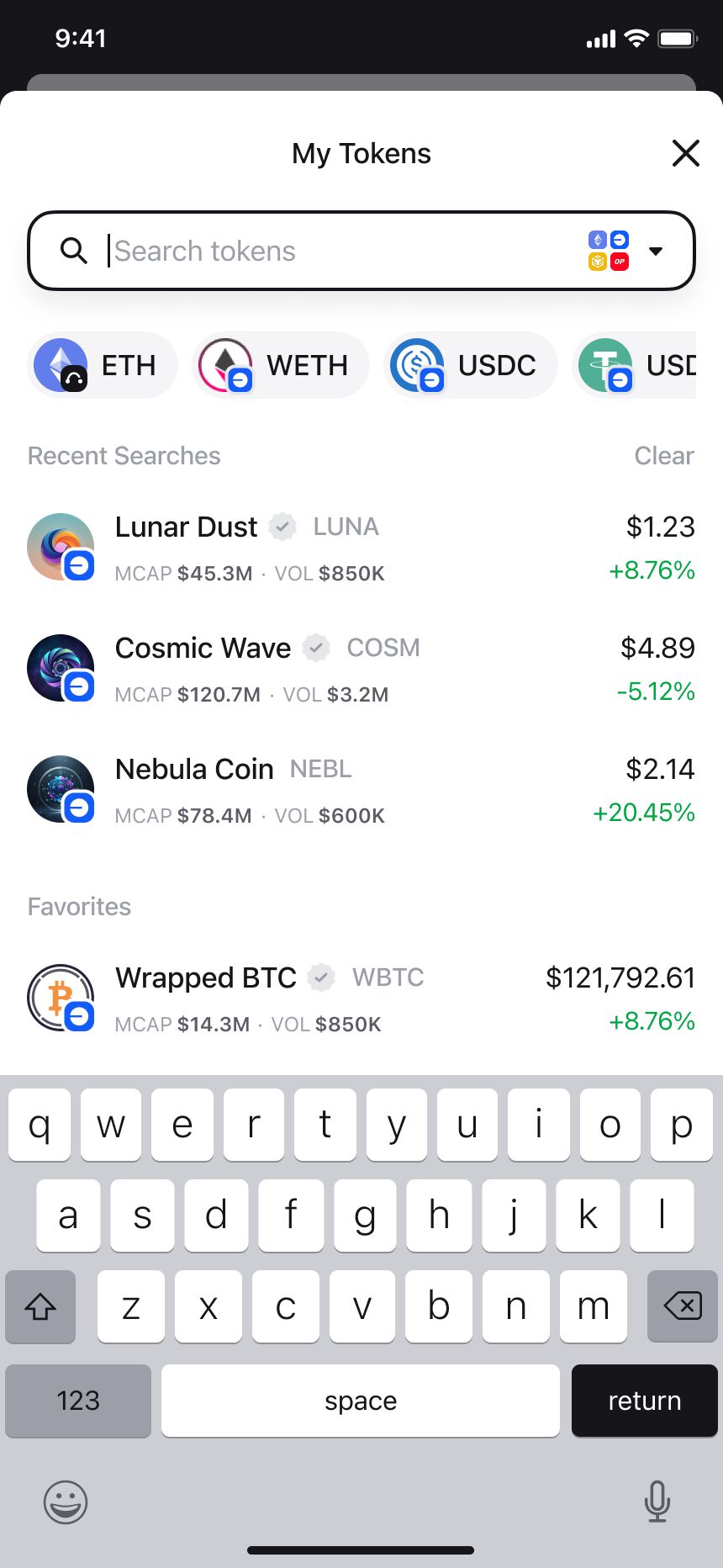

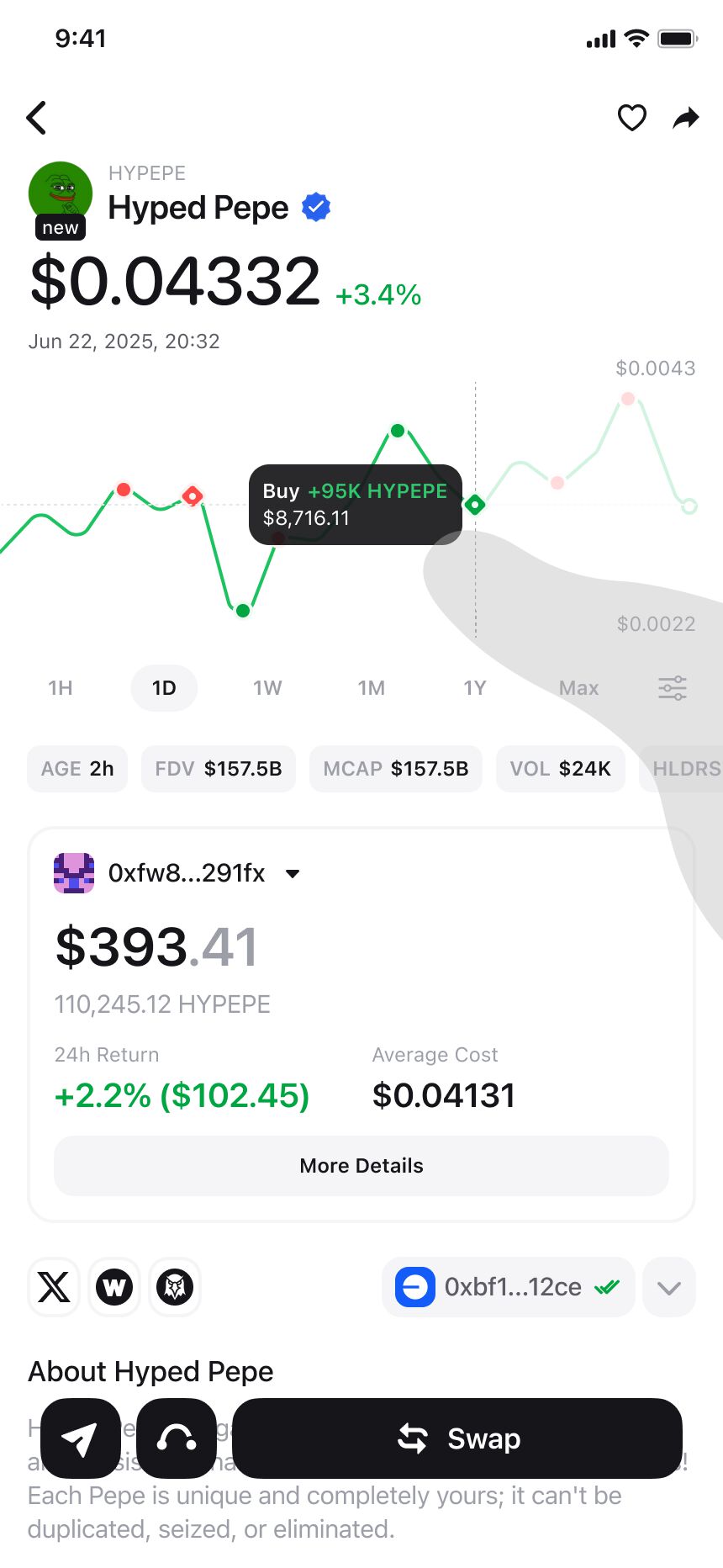
Alpha Feed Case Study
Zerion Feed is a real-time trading discovery interface.
Aaimed to replace the manual, passive wallet-tracking flow with a fast, contextual, and actionable experience that helps users instantly react to market movements, follow relevant traders.
Navigation 3.0 Case Study
Brand new navigation system for Zerion Wallet.
It's a major redesign of the navigation system, aiming to improve the user experience and make it more intuitive and friendly for new traders.
- Clear educational component is needed — Web3 requires explanations.
- Learn to quickly change and iterate, pivot on the fly, don't fall in love with your solutions.
- Early investment in scalable design systems always pays off.
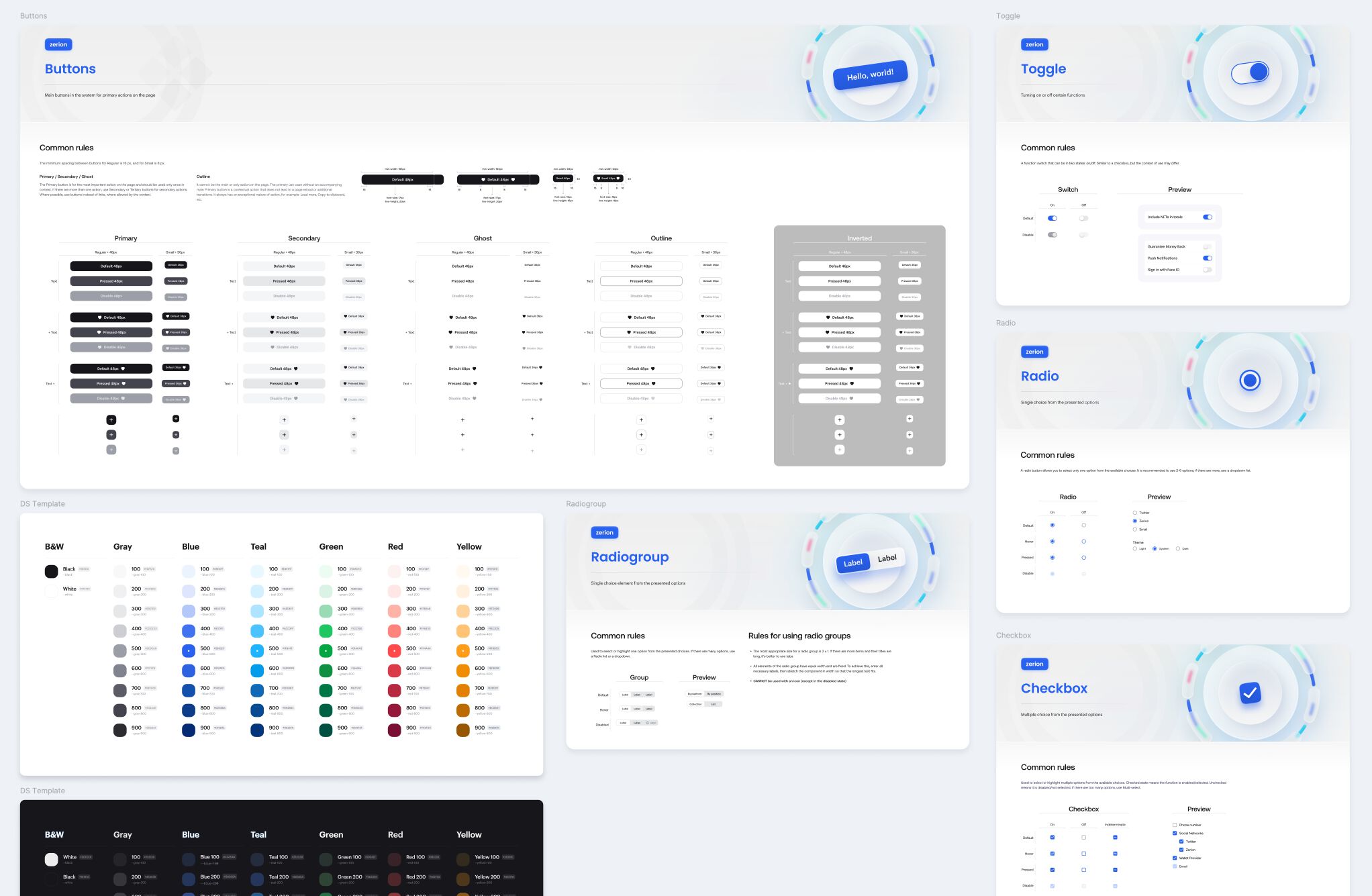
Cross-Platform Design System
Establishing a design system that ensured consistency across iOS, Android, Web, and Web Extension was a testament to the foresight and scalability of our design approach.