
RetailCRM Redesign:
My Journey to Becoming a Head of Design
At RetailCRM, I led a full UX and brand transformation for a platform serving over 15,000 global e-commerce clients.
15,000+ global clients
2.8M+ monthly orders
45,000+ active users
Simla.comLatin America
Role
Product Designer → Design Director
Key Achievements
- Design Department – Built the design team from a single unit to a multi‑disciplinary team.
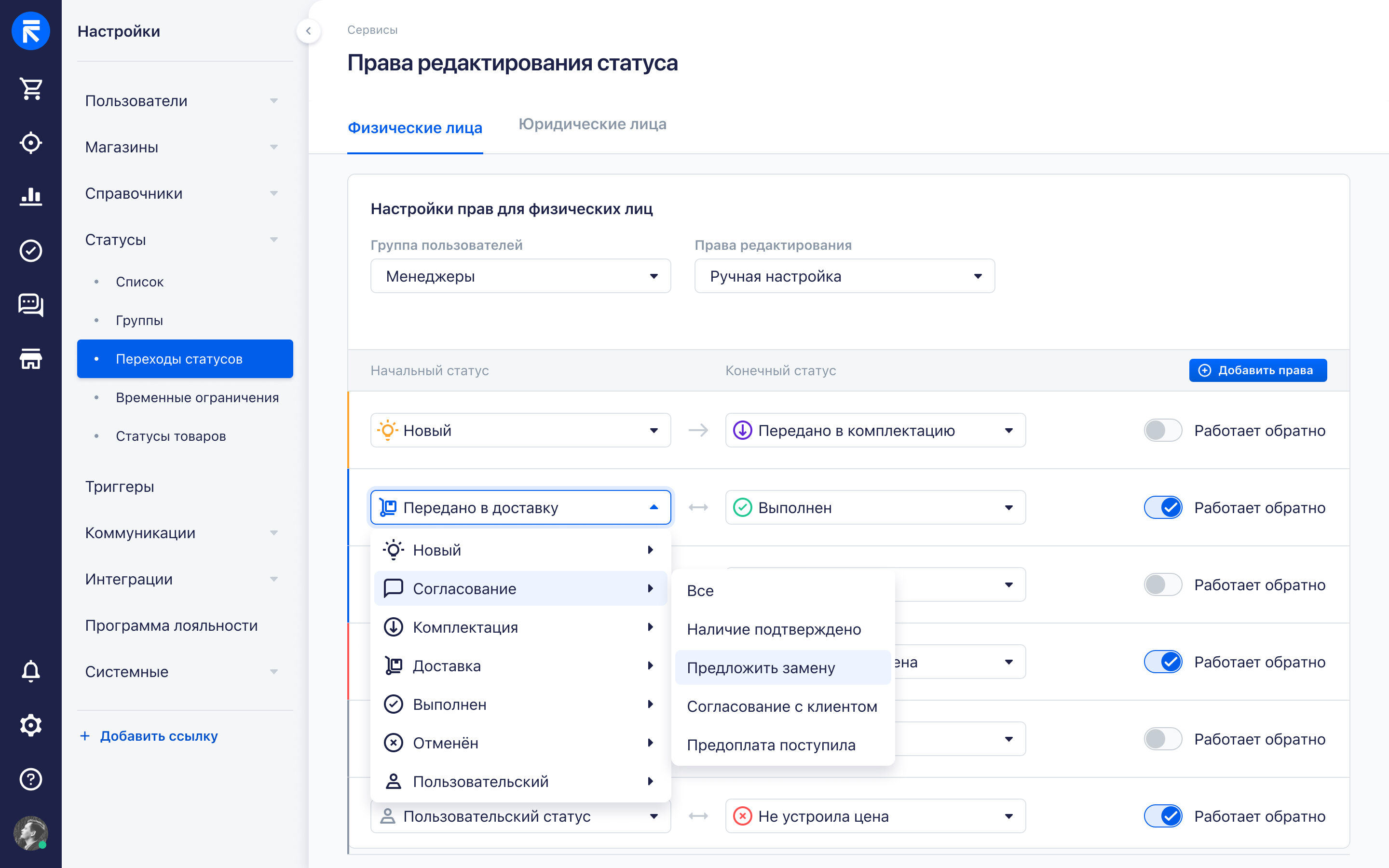
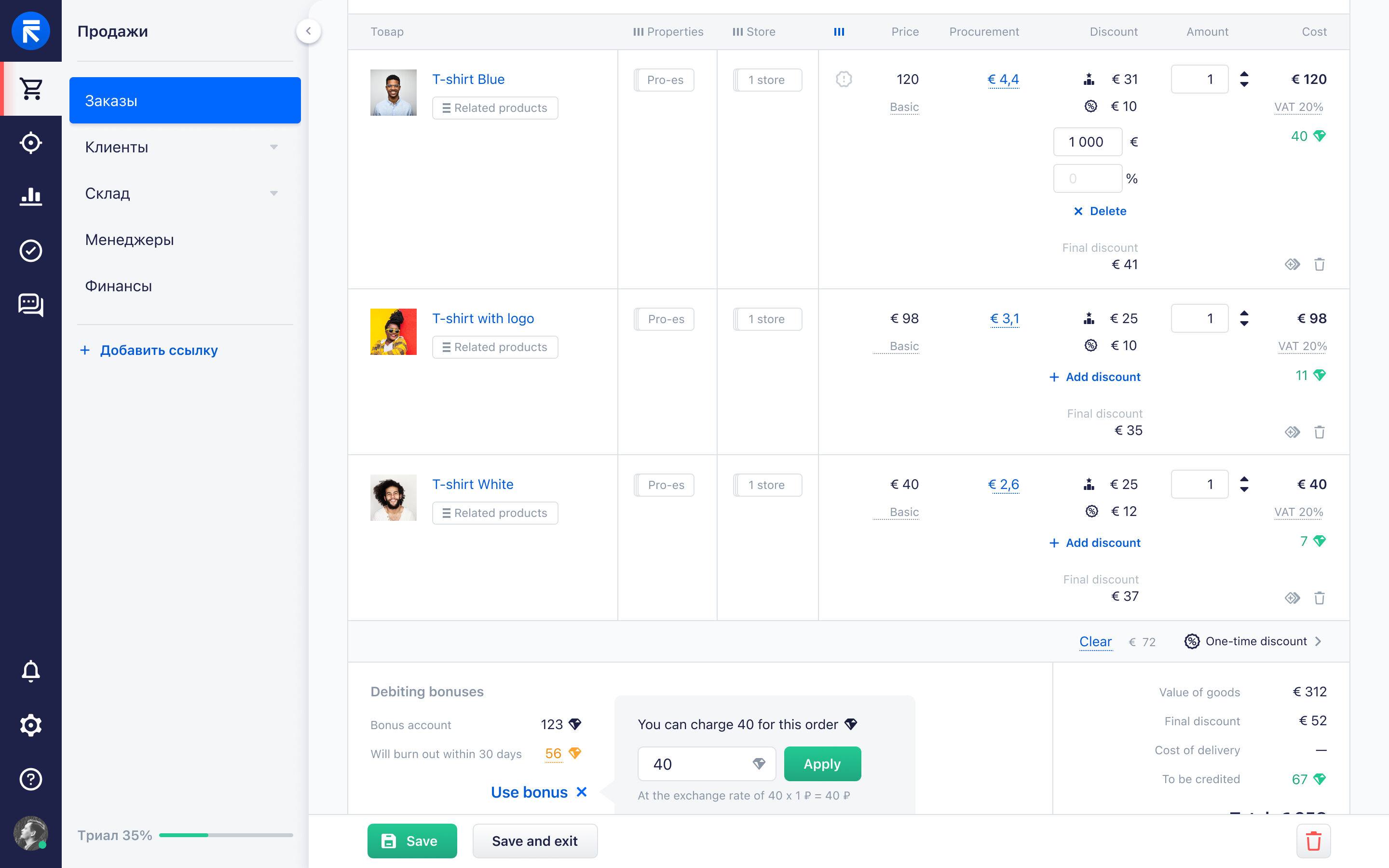
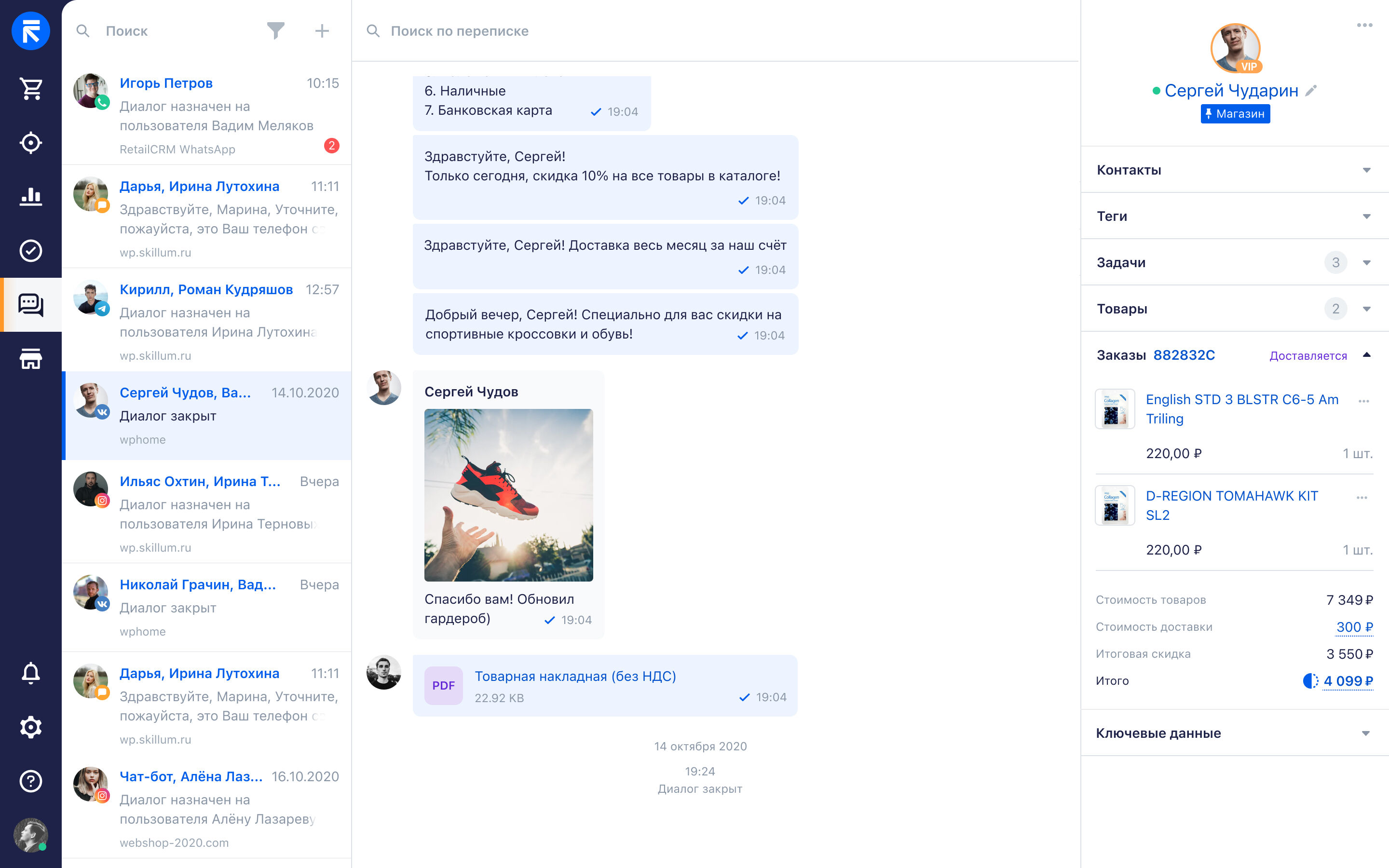
- UX Redesign – Led a complete UX redesign of core modules — orders, chats, analytics, billing, settings, and more.
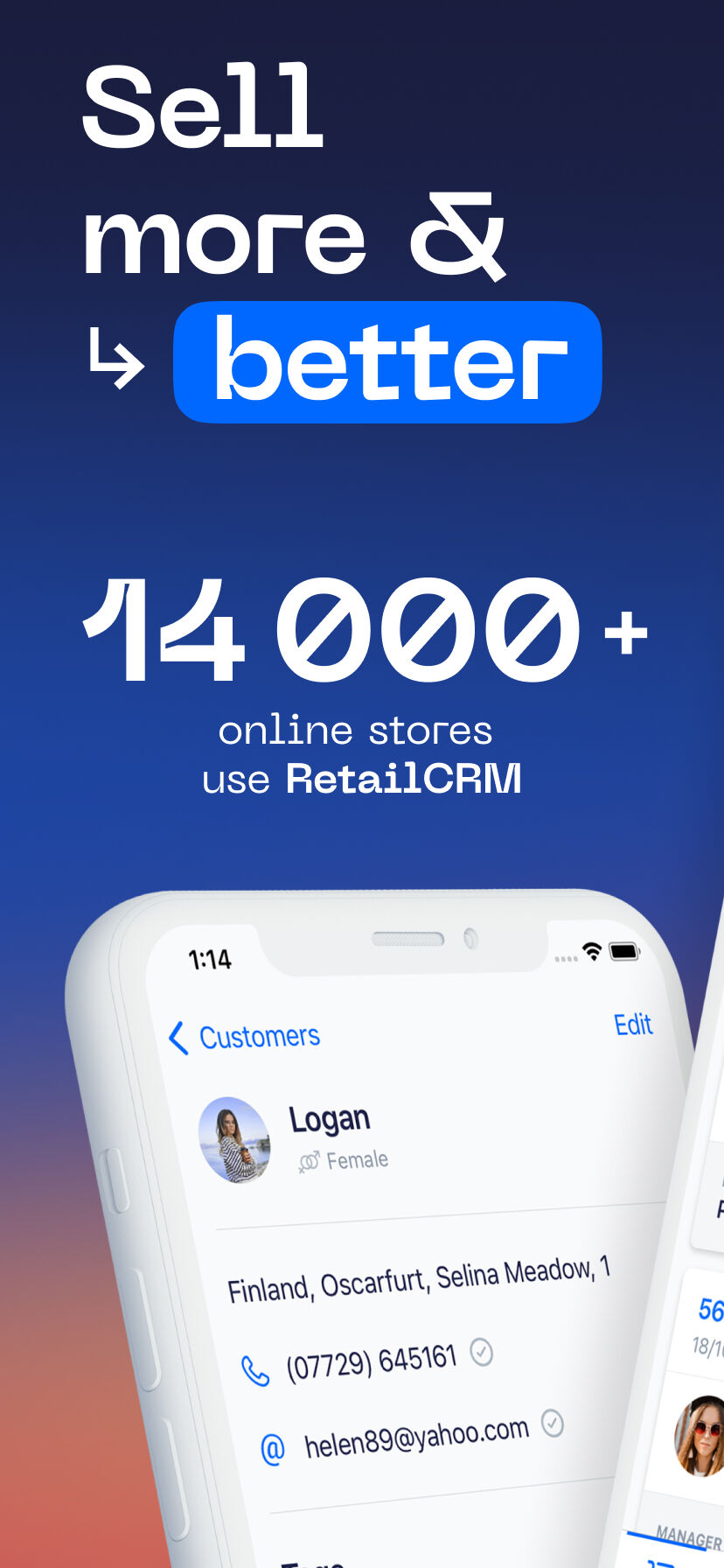
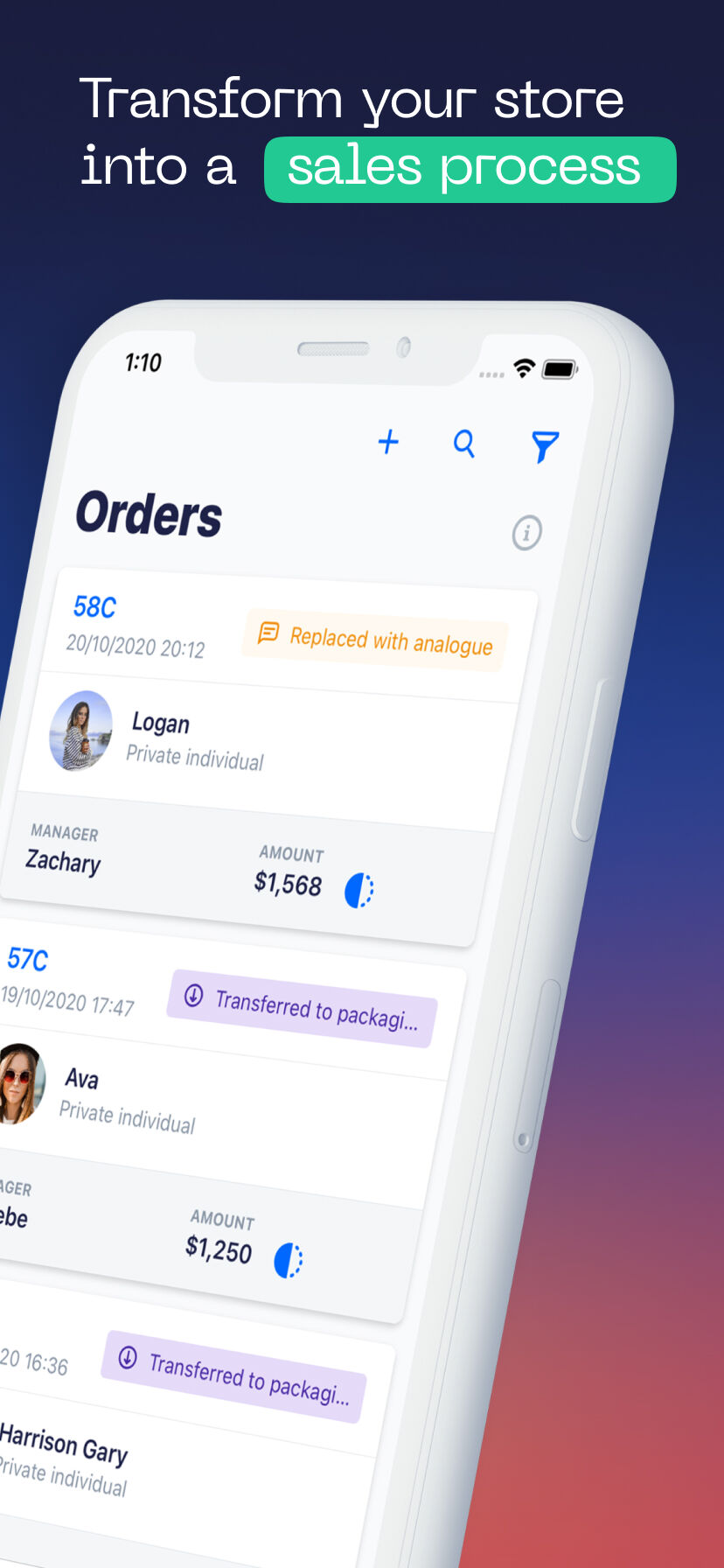
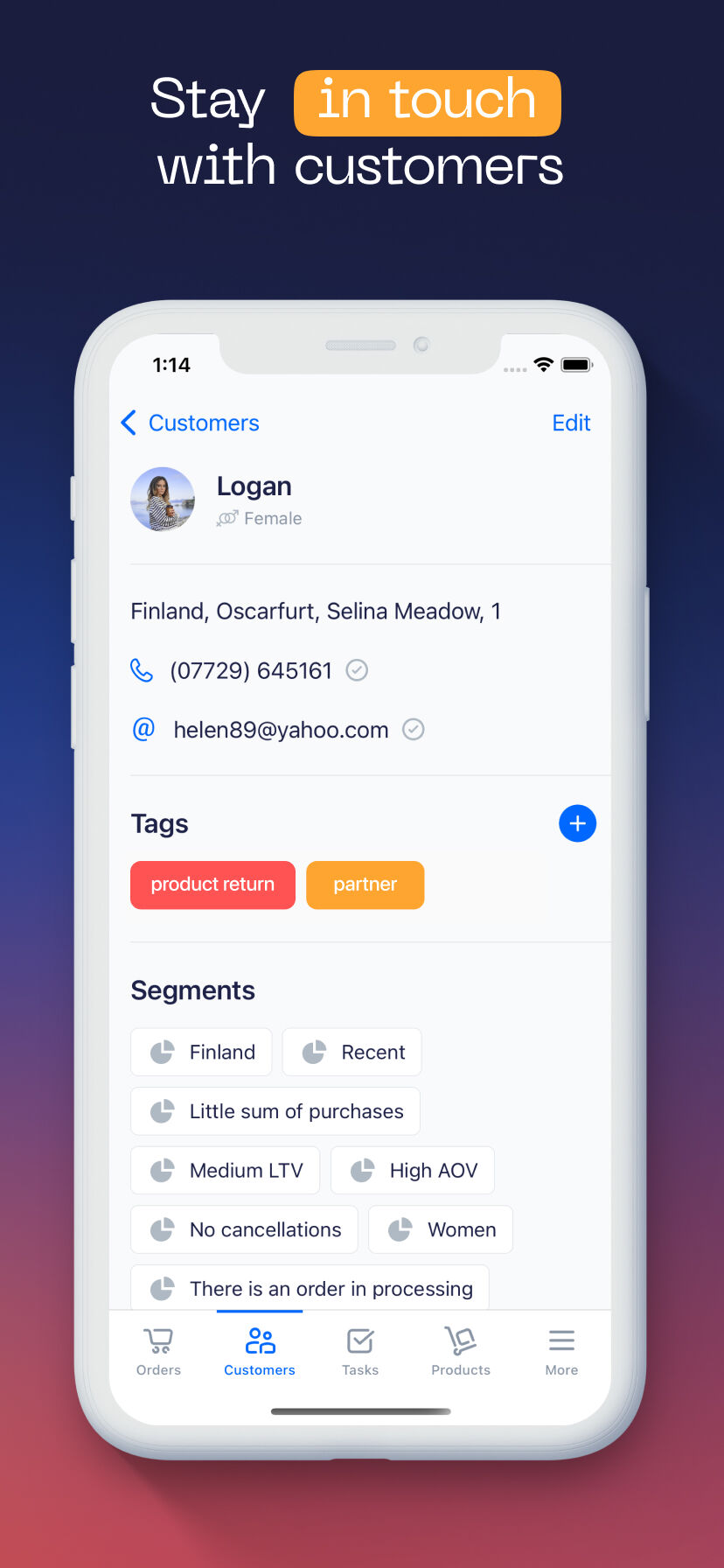
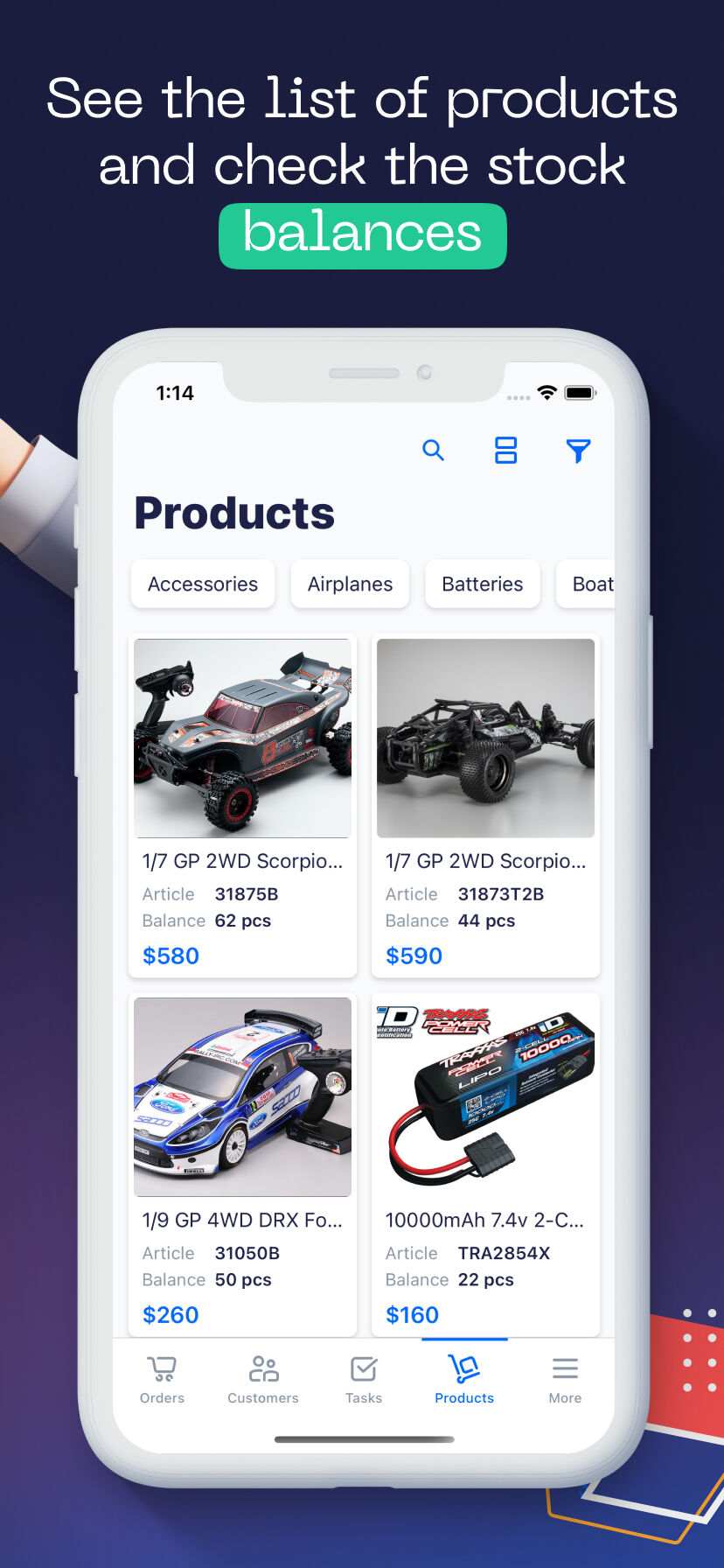
- Mobile Apps – Helped to design and launch mobile apps for iOS and Android, improving service accessibility for businesses.
- Launched Numerous New Features – Introduced many product improvements: loyalty program builder for stores, onboarding flows, advanced ERP, a new interface for designing and managing email campaigns, and much more.
- Omnica Design System – Created a design system, enabling faster releases and visual consistency across products.
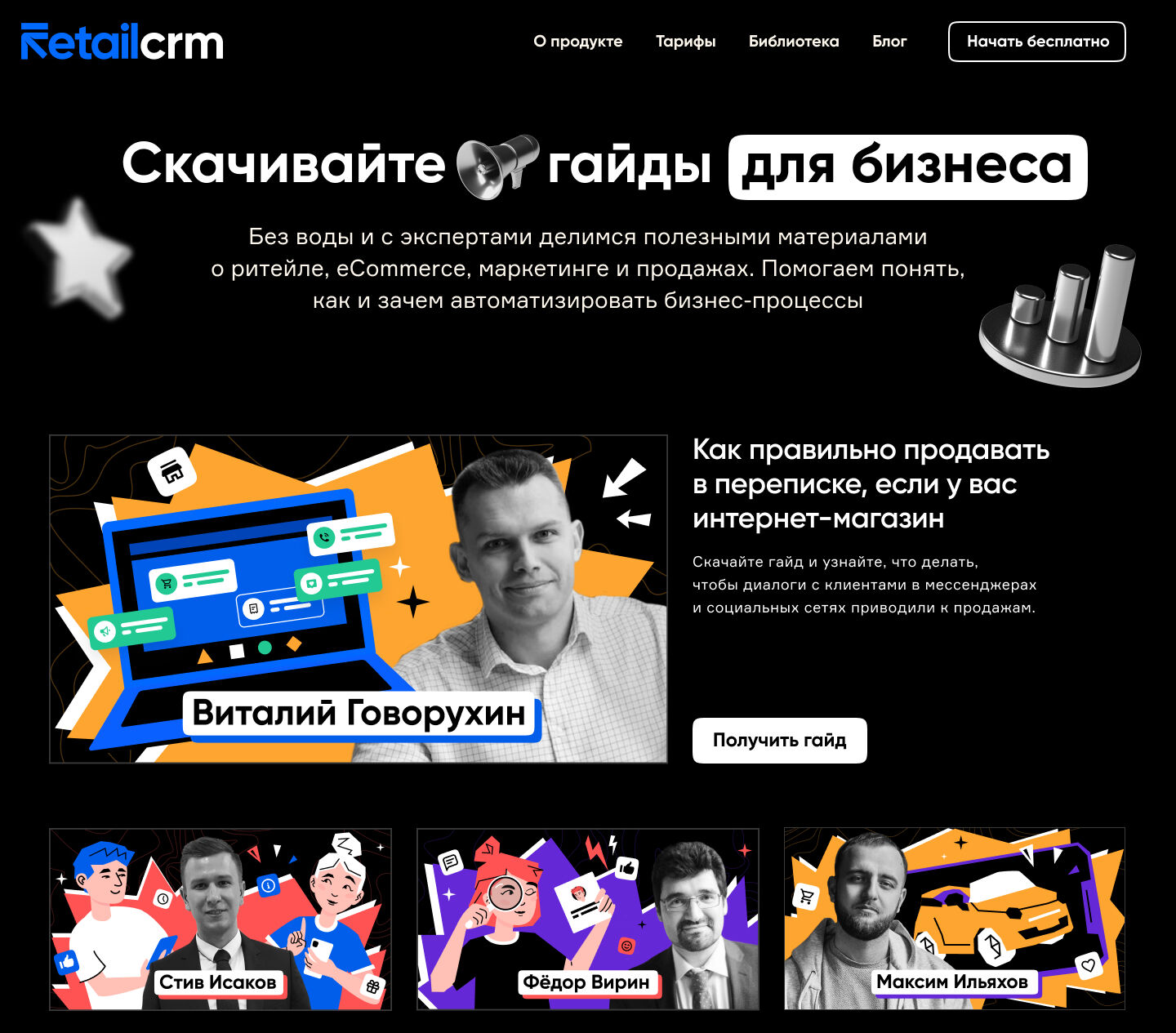
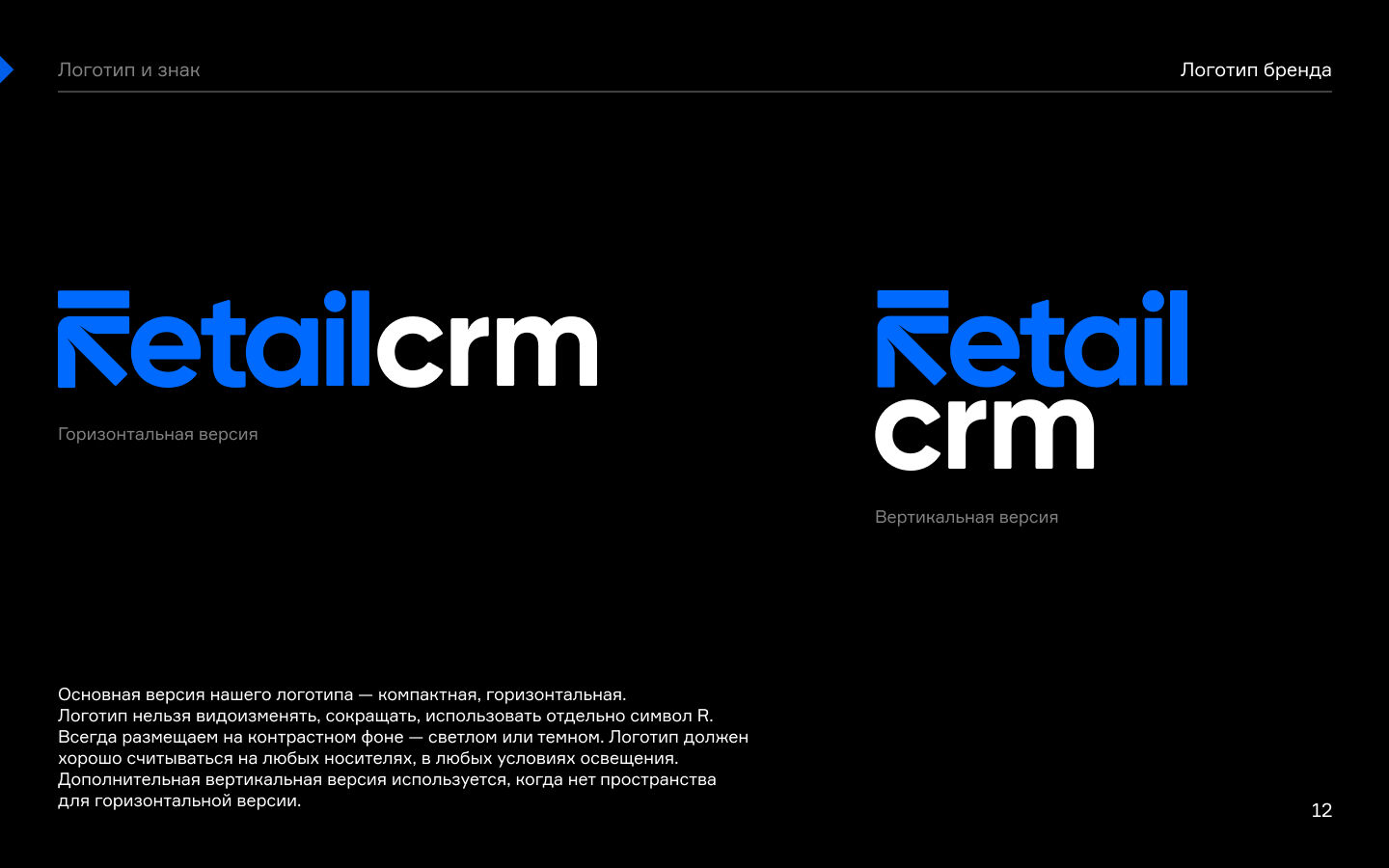
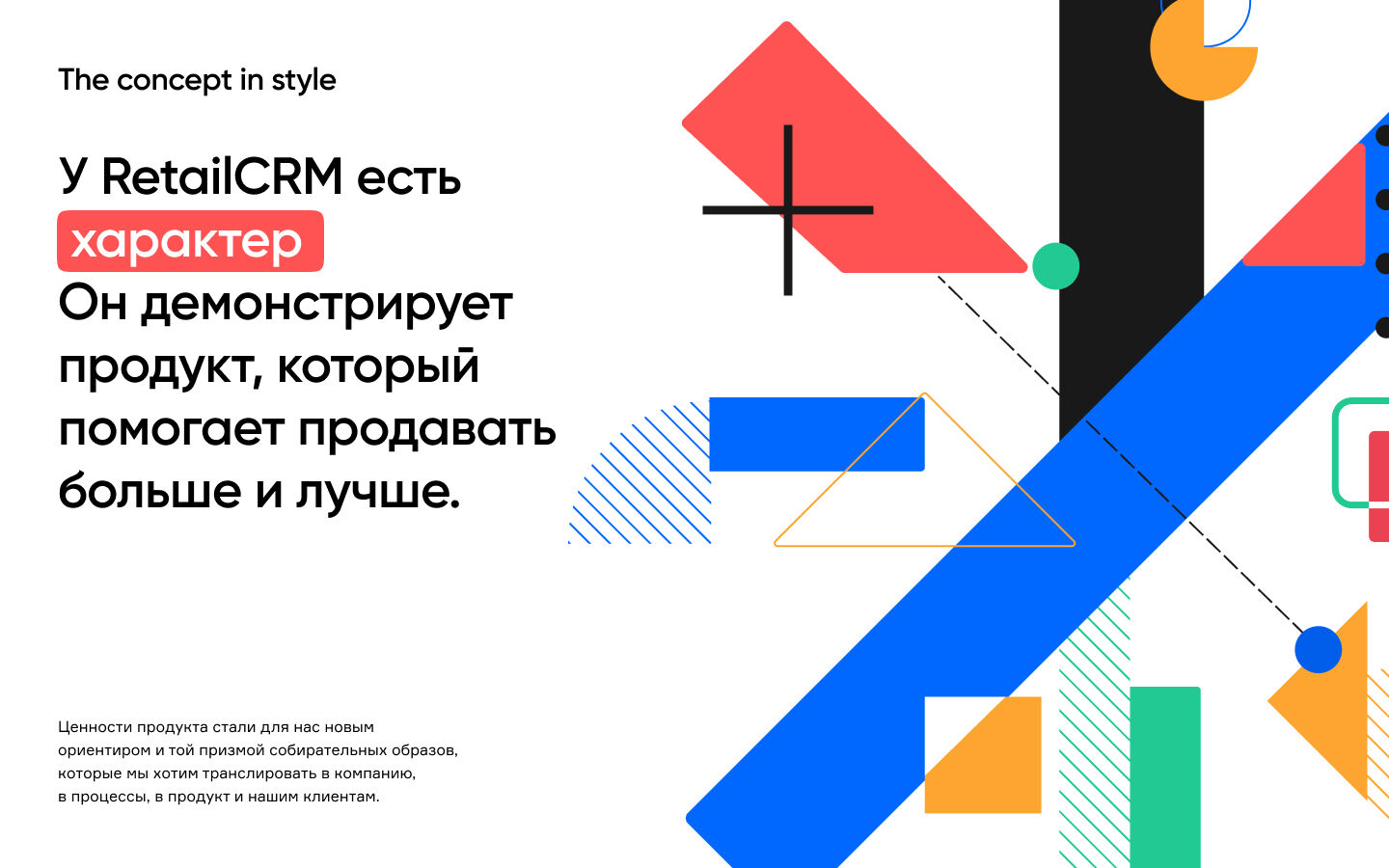
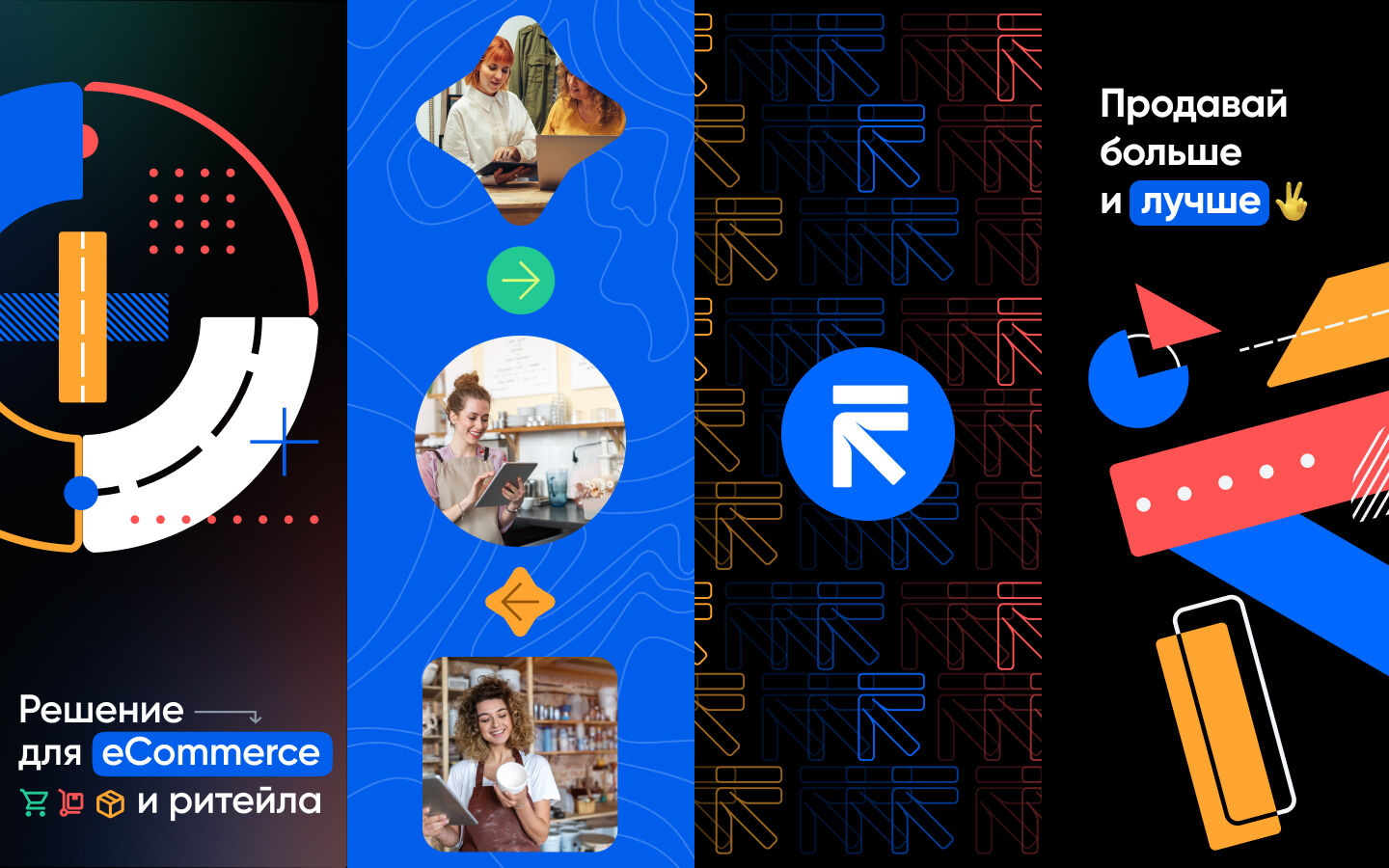
- Brand Sprints & Rebranding – Conducted extensive brand sprints, resulting in a complete rebranding of RetailCRM and the launch of Simla.com for the Latin American market.
- UX Research & Design Review – Established UX research and design review processes that improved team collaboration and output quality.
About my work at RetailCRM
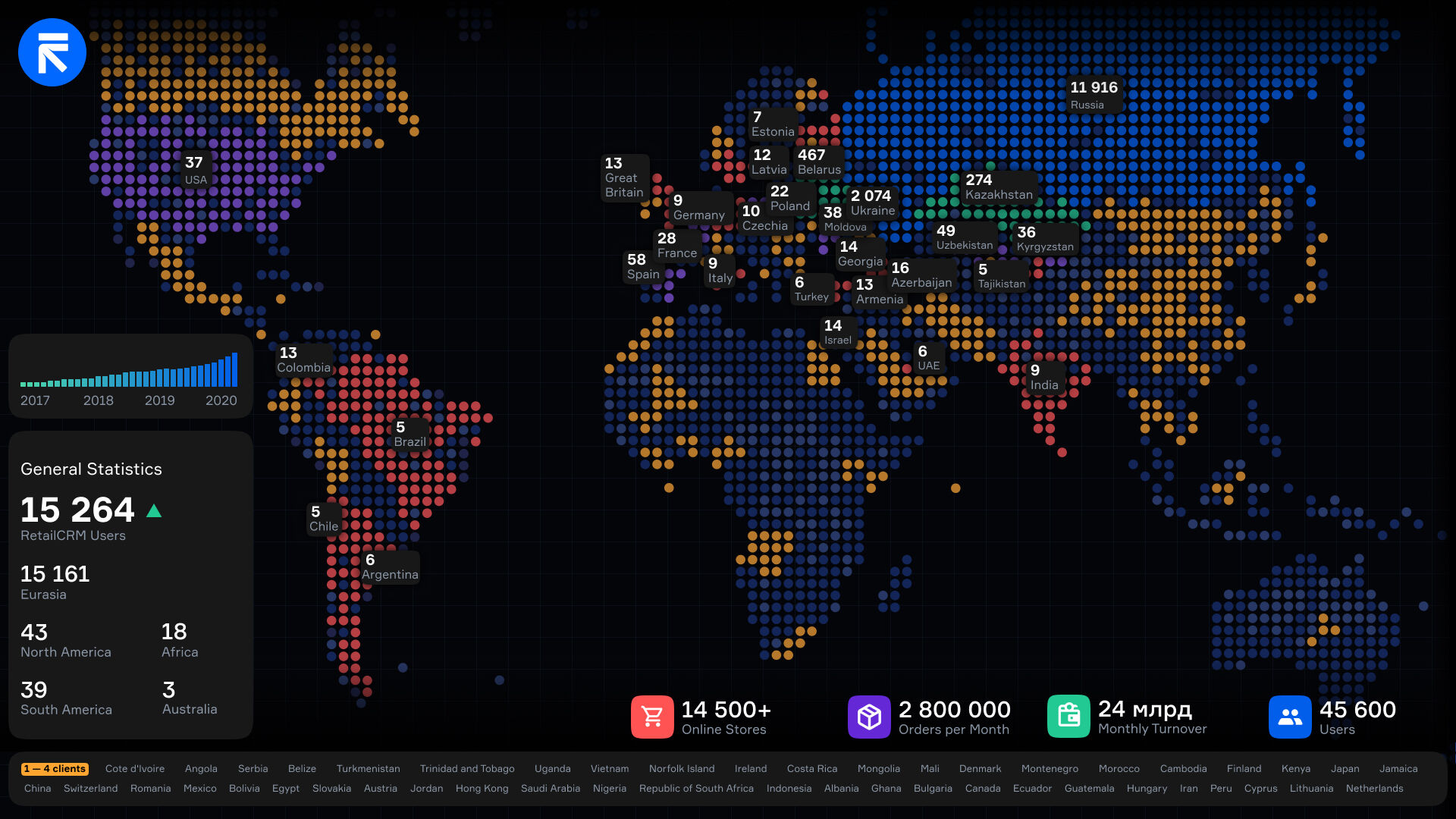
RetailCRM already served thousands of stores and the product focused on managing and selling products in stores, which was more than just a typical CRM for lead generation.
"Integrating new clients took a lot of time, money, and required contractor work. Operators required extensive training and got tired of the interface, working nine hours a day."
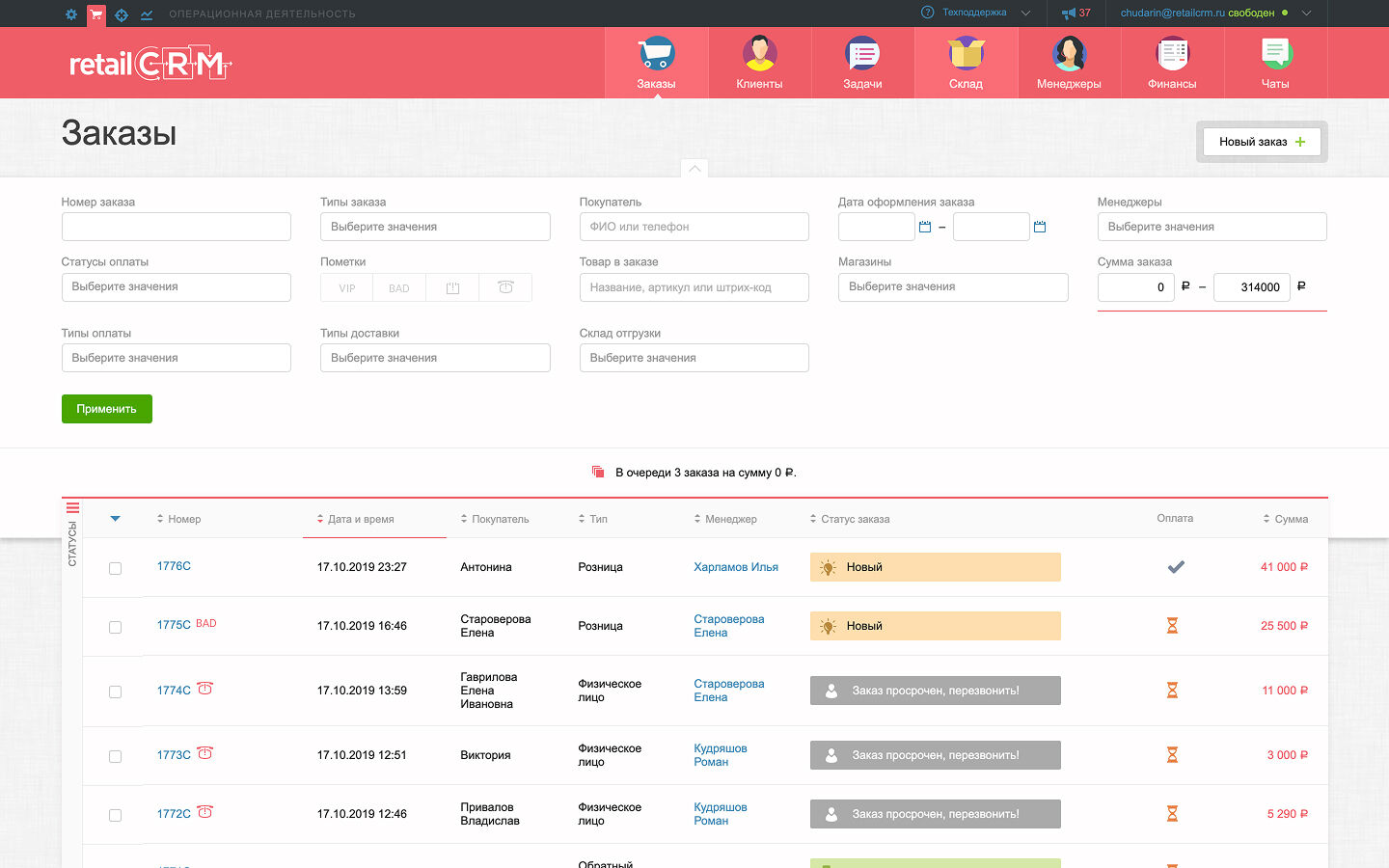
Old RetailCRM interface
"I talked to stakeholders, presented a detailed UX redesign plan to the entire company and argued for its necessity."


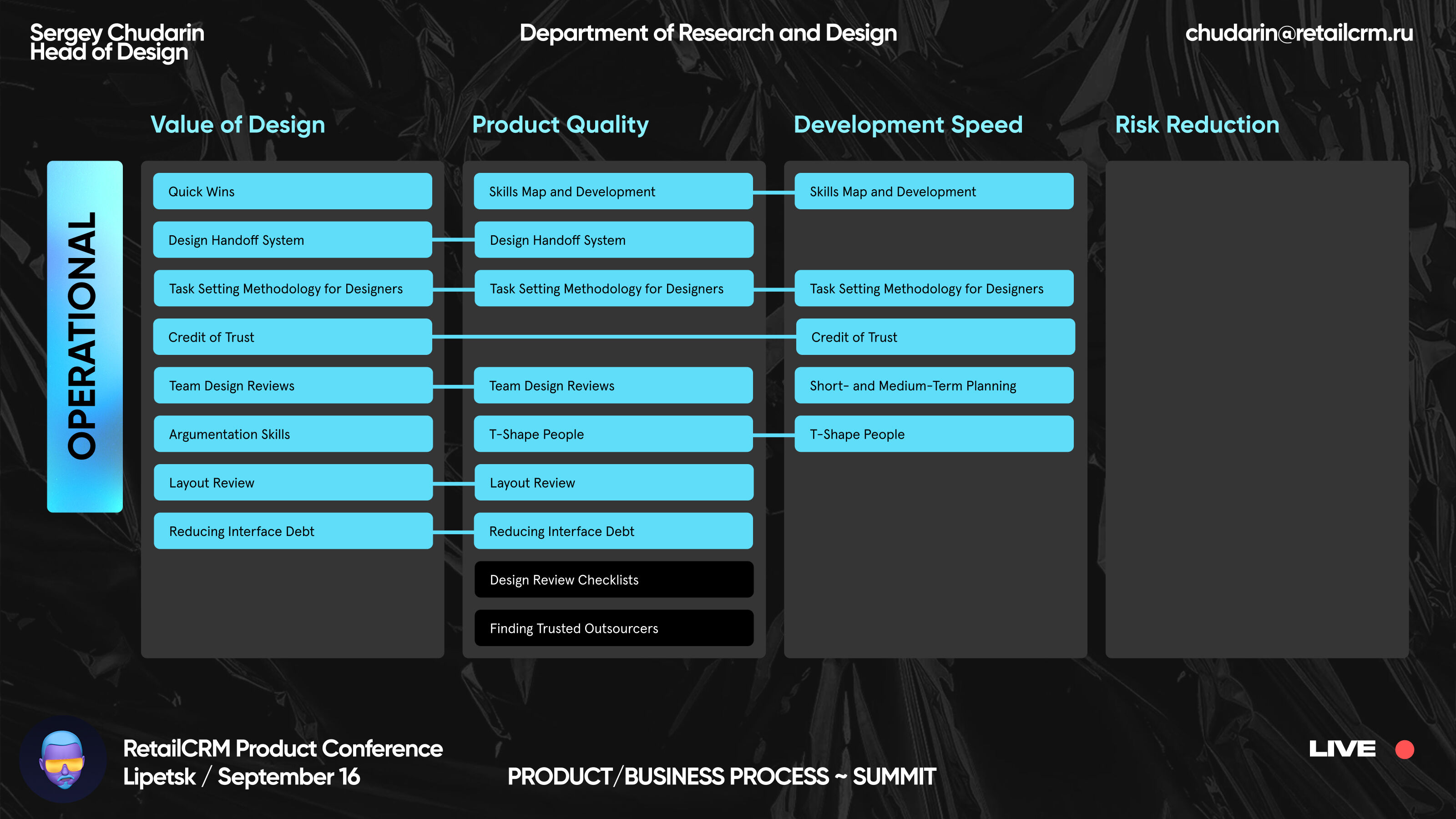
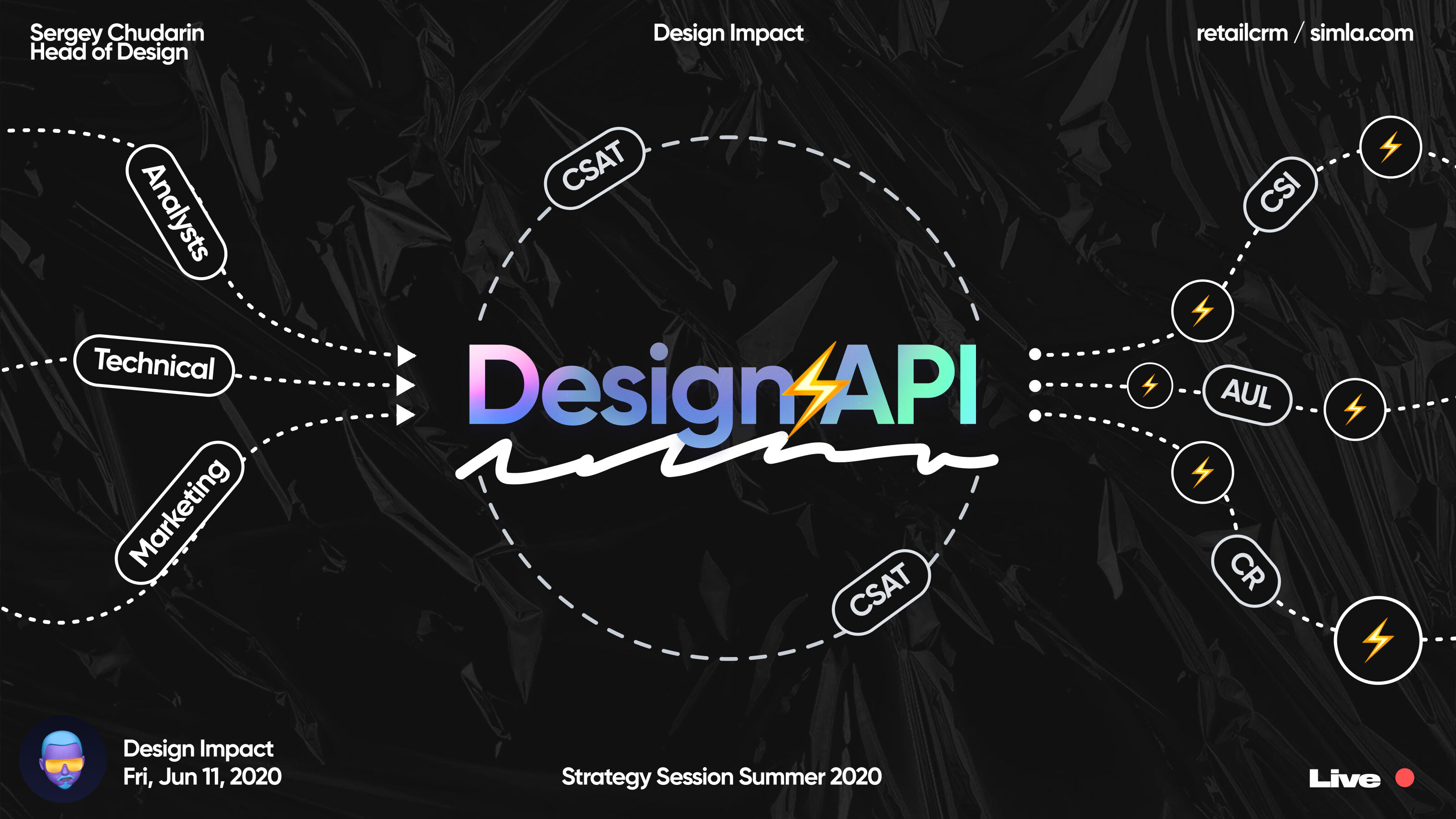
"A big shift was helping everyone see design as critically important, not just a last step 'make it look nice'."
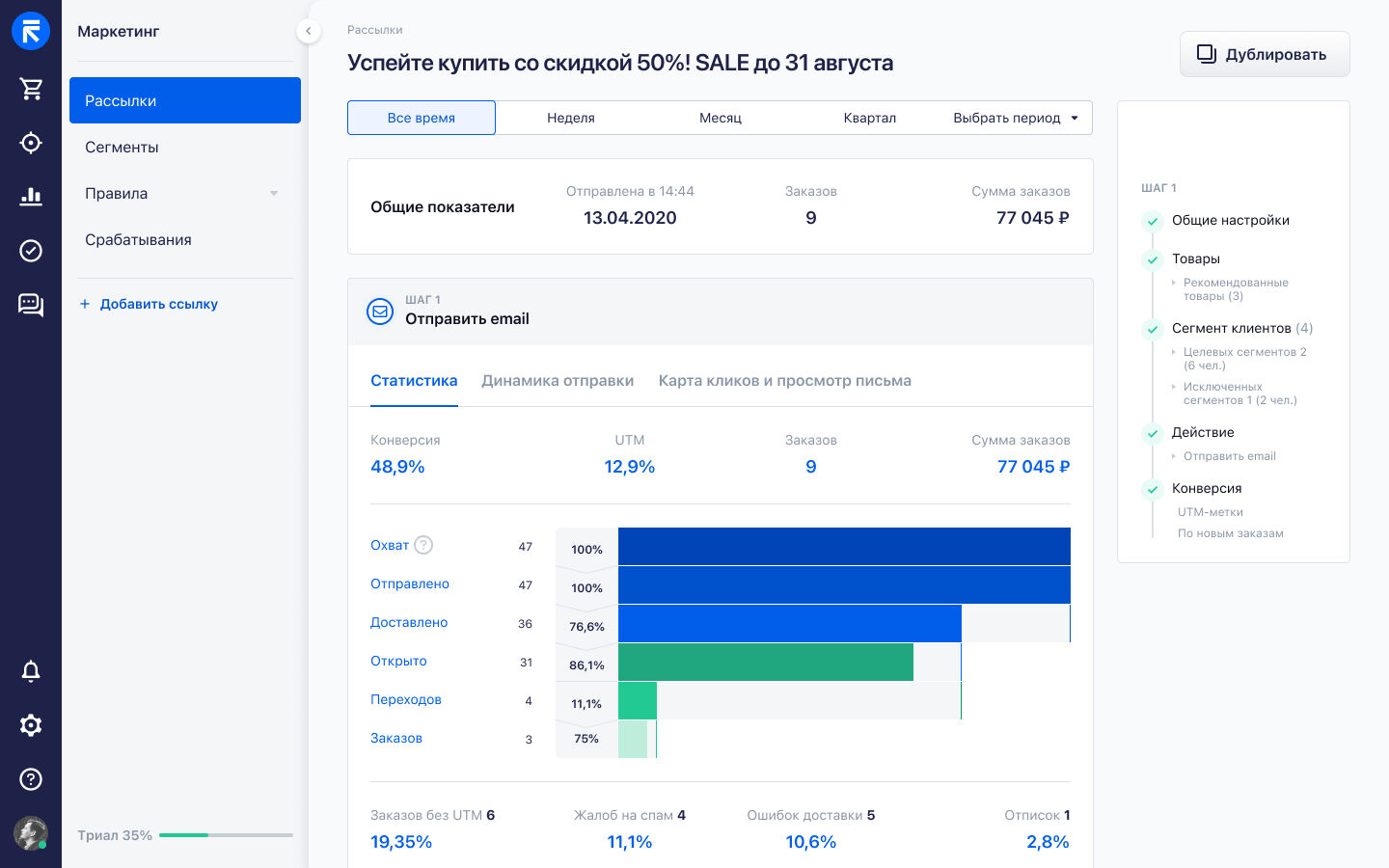
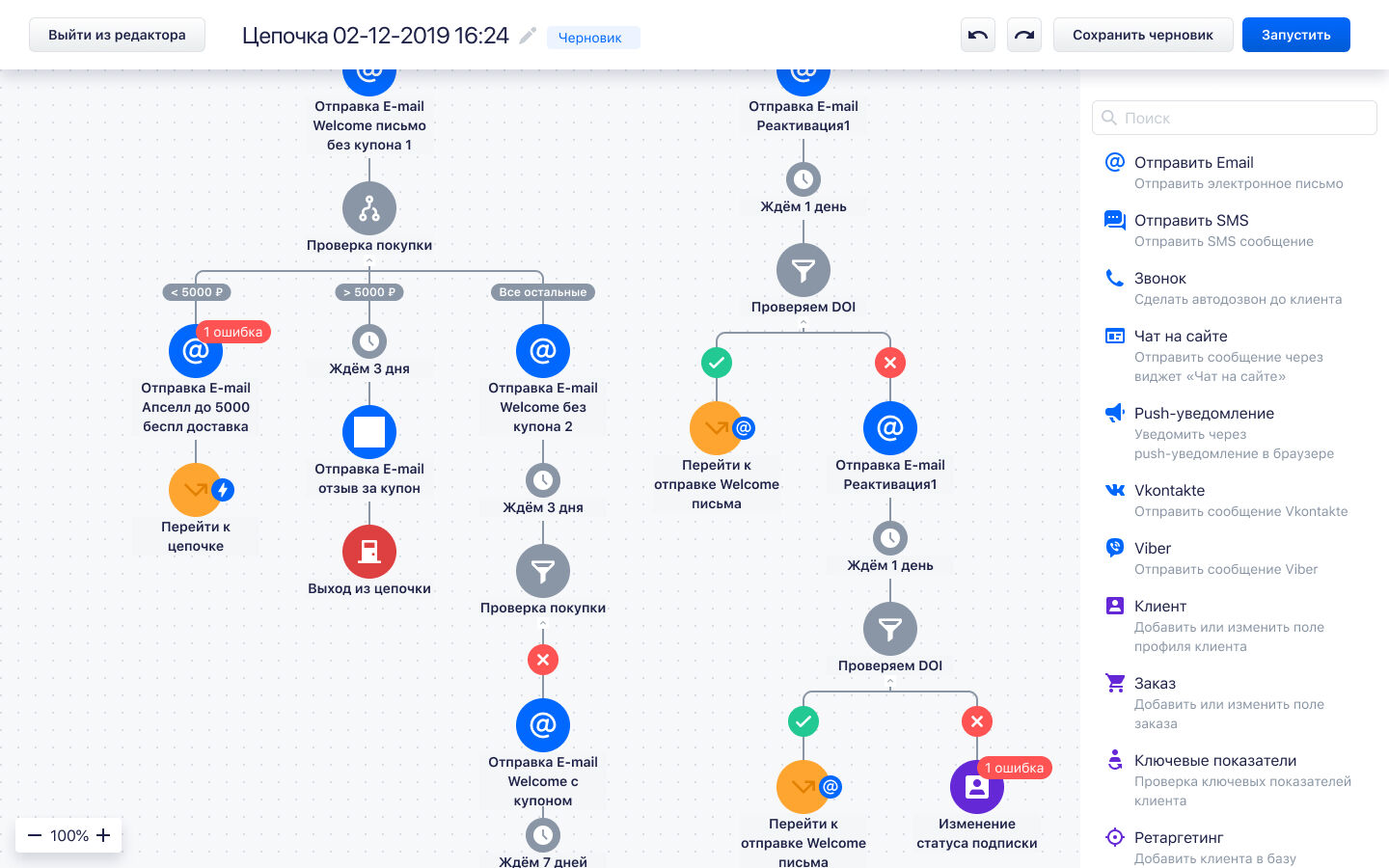
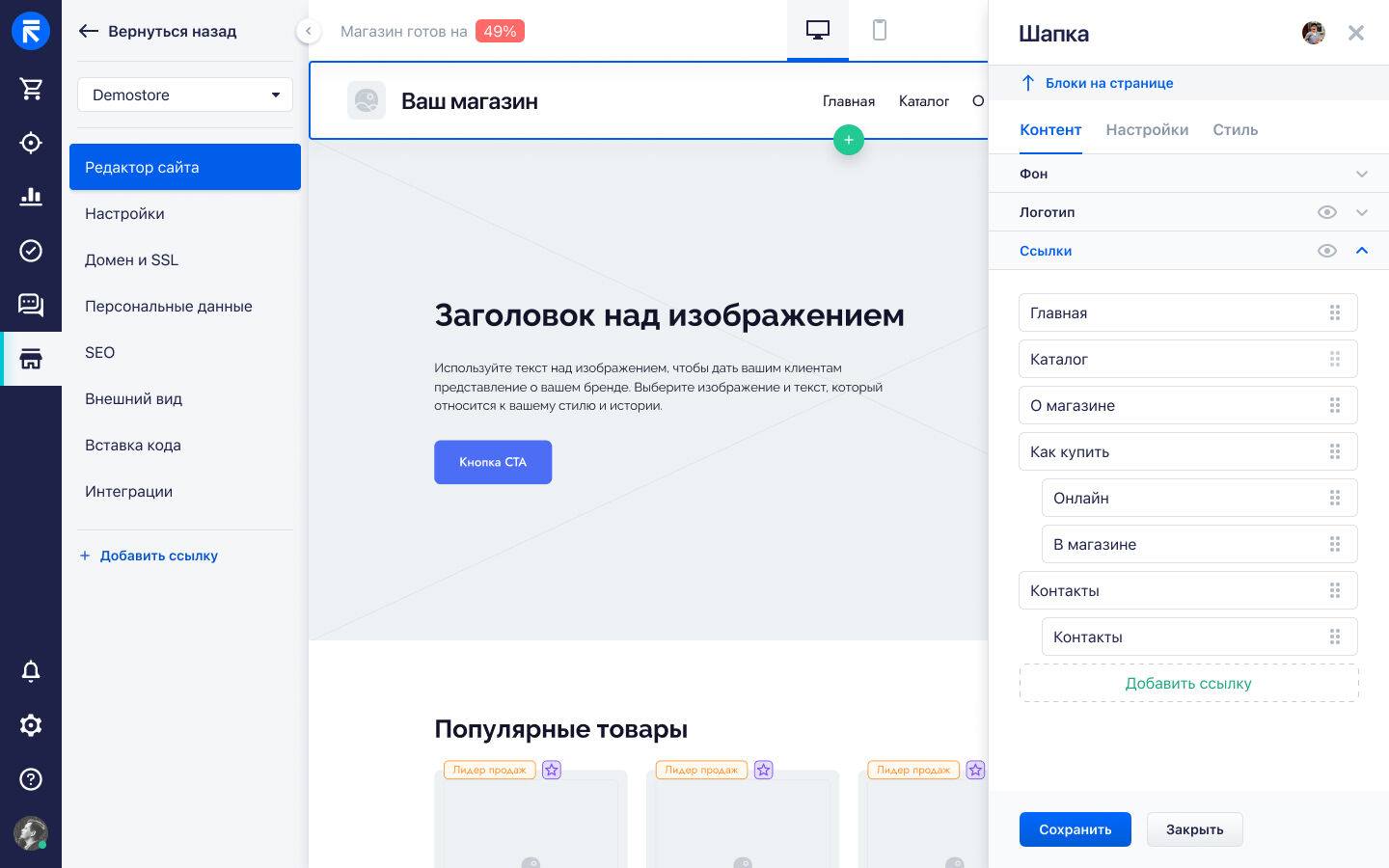
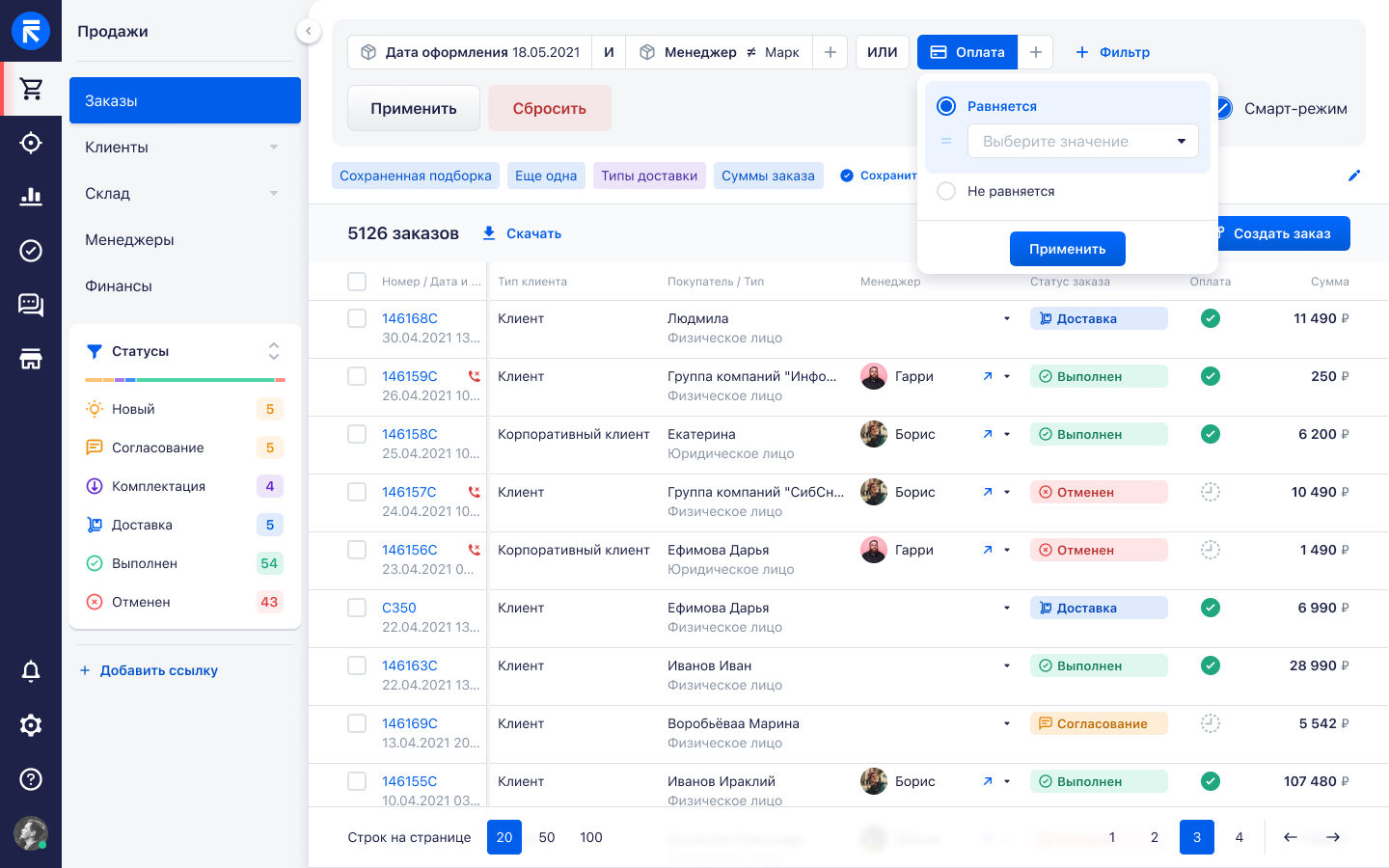
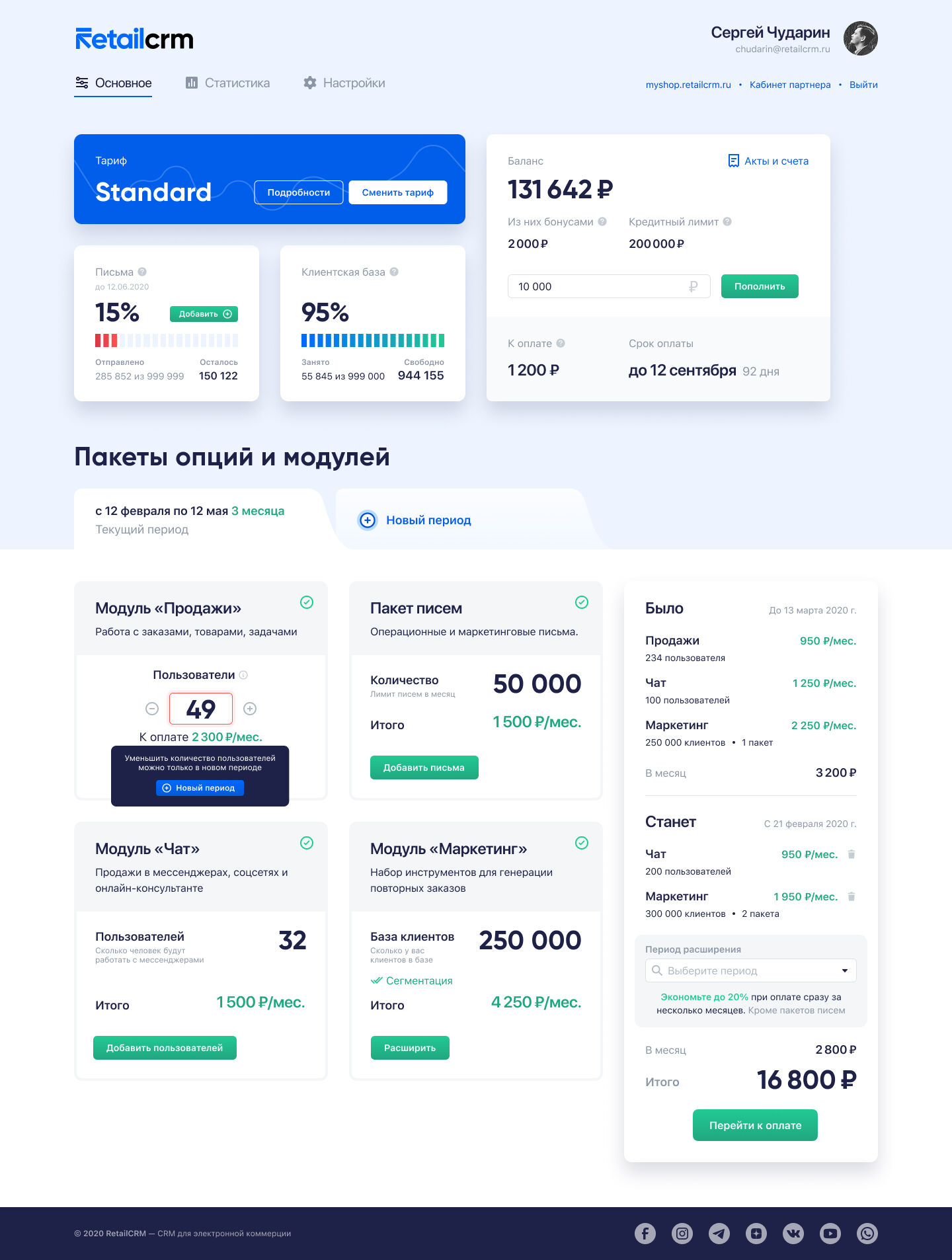
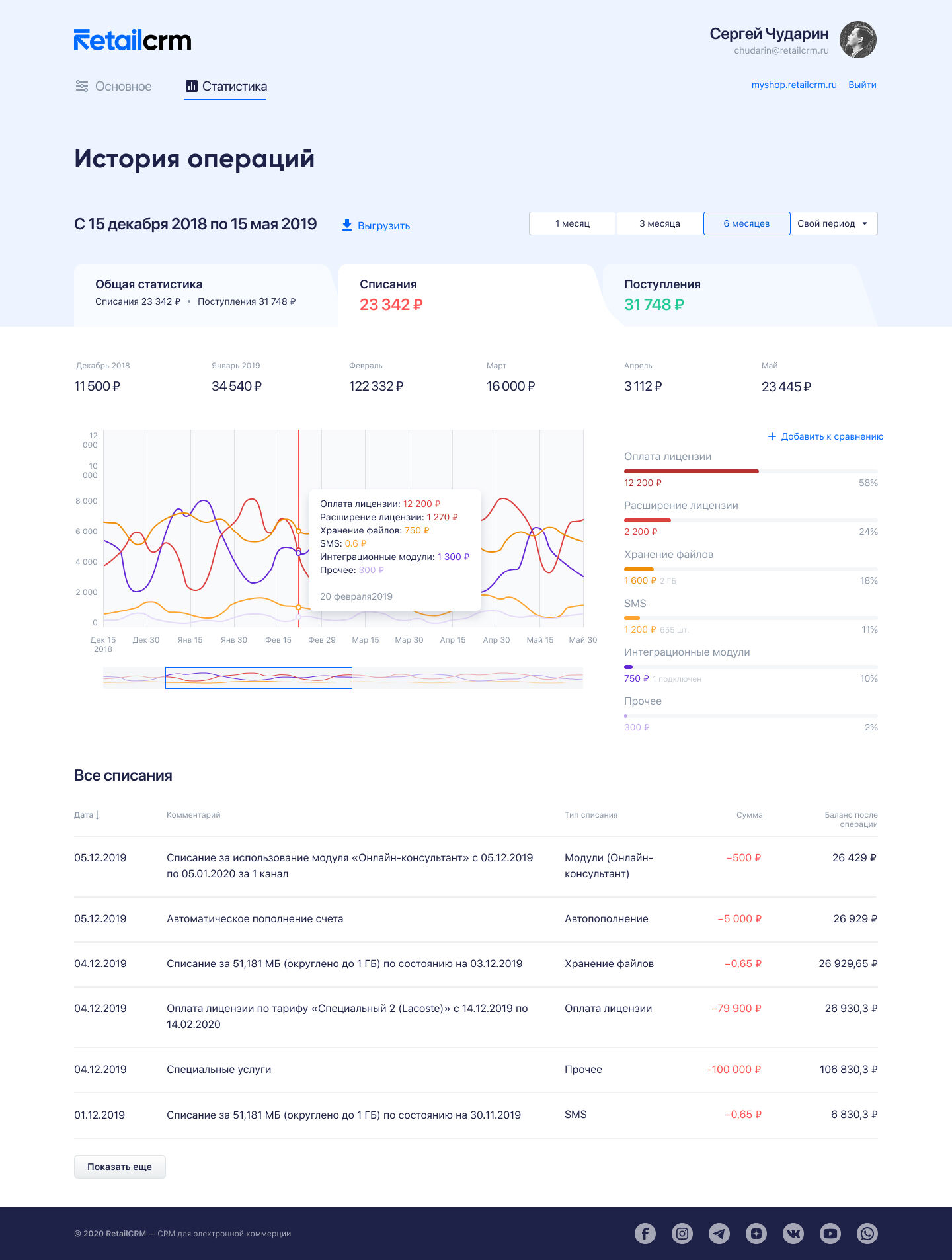
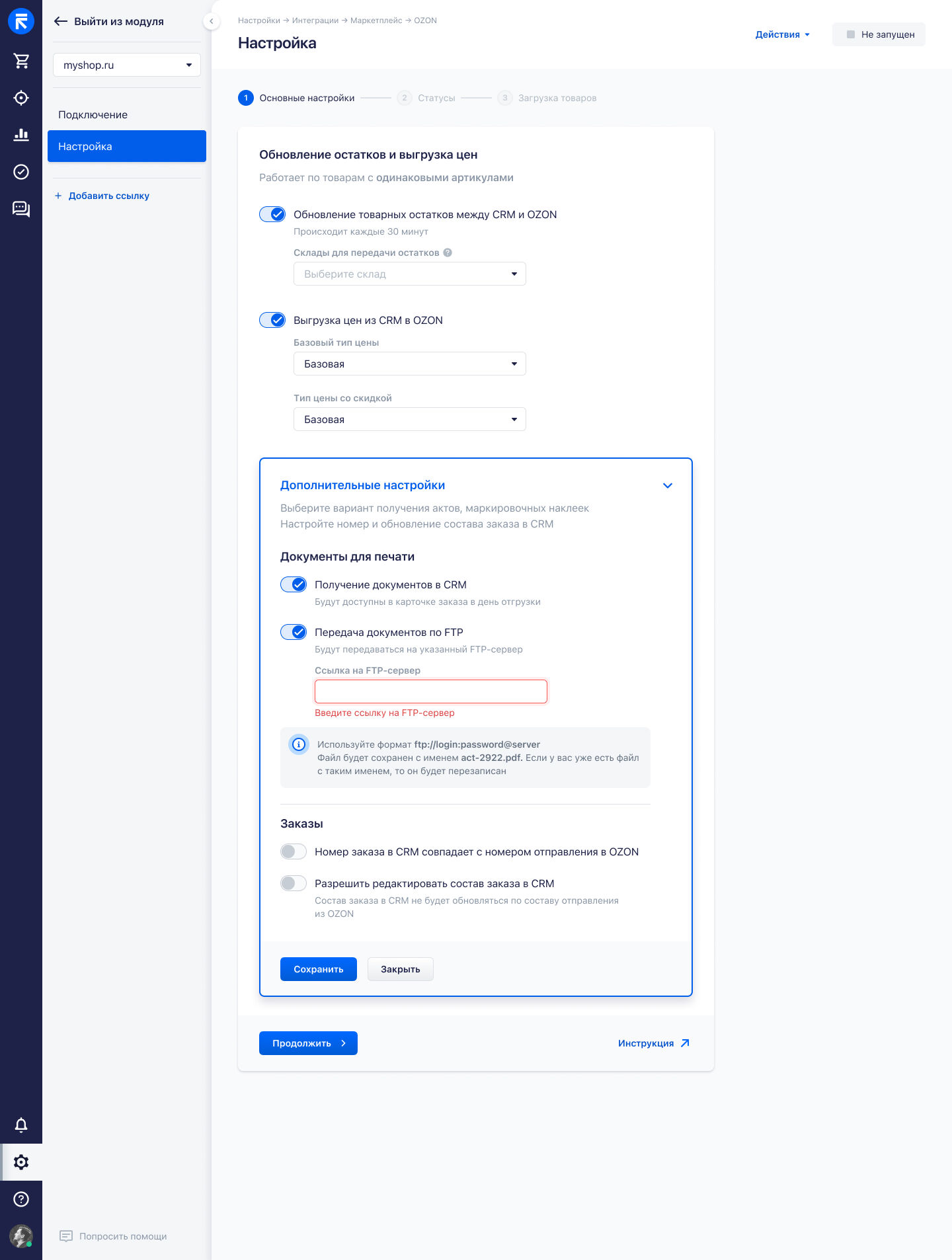
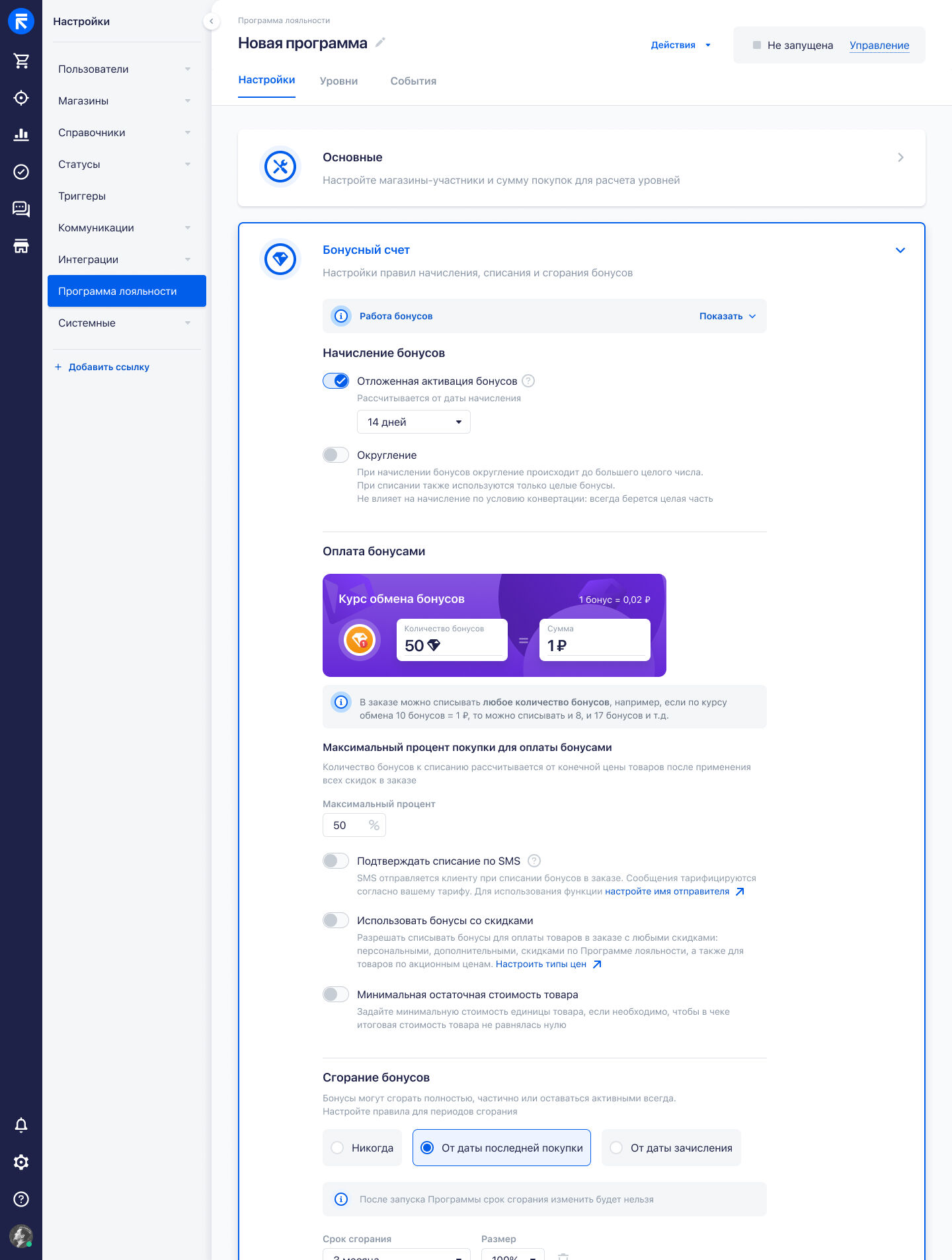
- Operators were used to the old interface, so any major change risked rejection and lengthy retraining.
- The product served thousands of clients with different needs, so the interface had to be flexible and adapted to various usage scenarios.
- Management valued code and analytics but struggled to understand why user research was important (this changed fairly quickly).
- Launching new versions of the product in different markets required new branding and cultural considerations.
"Changing an interface that thousands of people were used to was risky. We conducted thorough user research, observed their workflows and planned updates with all factors in mind."


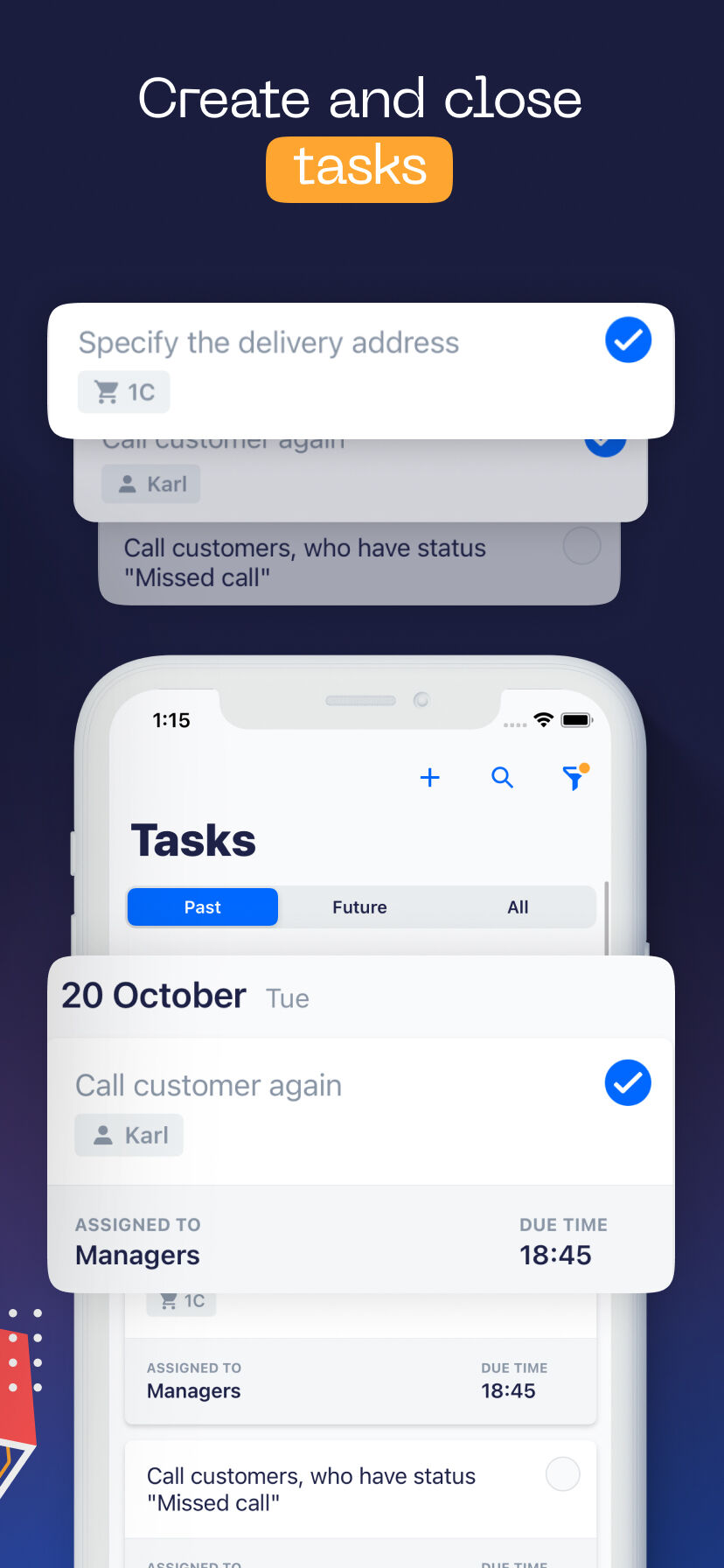
"With Omnica Design System, we saved a lot of time, ensuring the UI stayed consistent and high-quality."
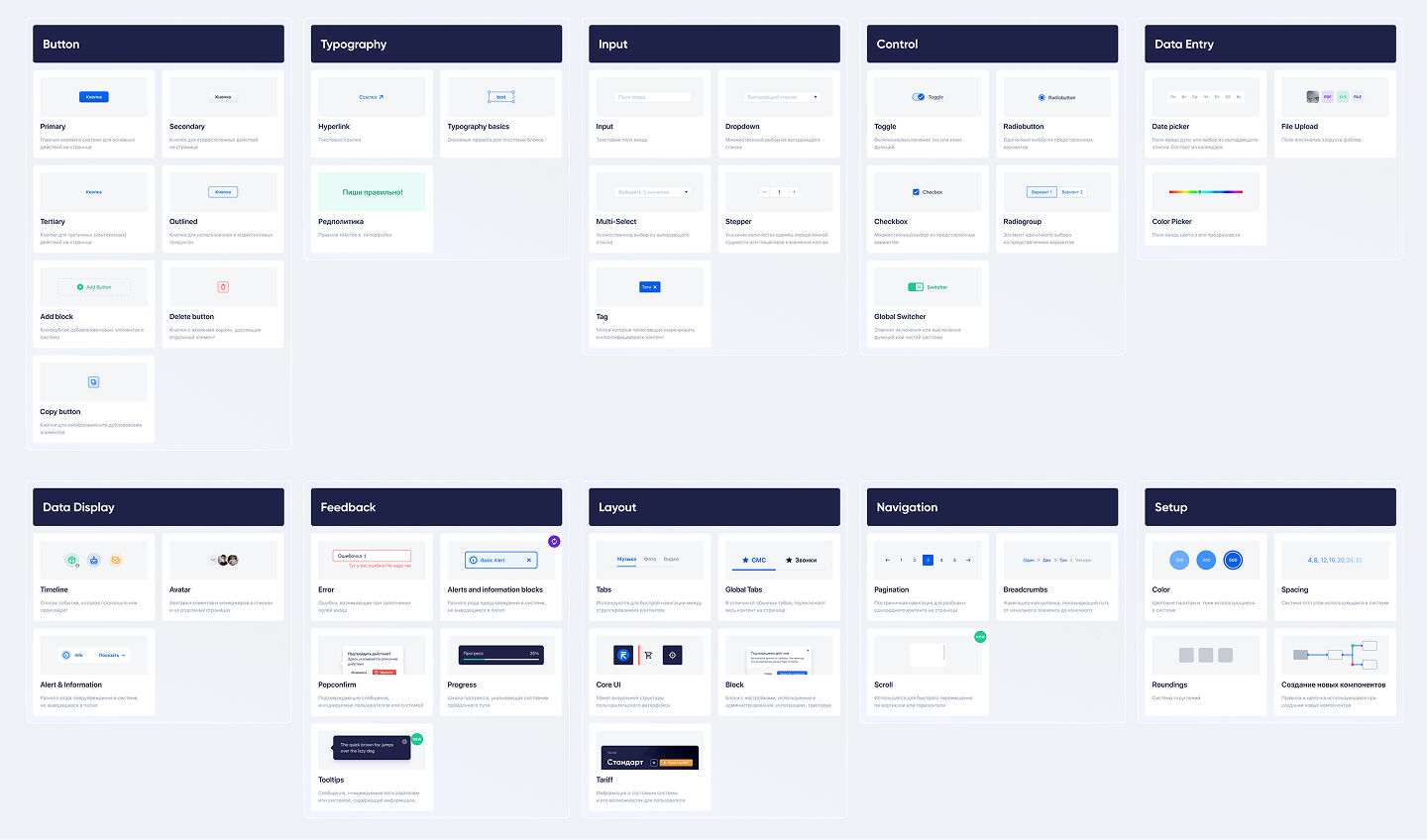
Omnica Design System
Omnica was ahead of its time — more than just a UI kit or basic component library. It challenged major design systems from big tech companies, delivering value through comprehensive UX principles, thorough documentation, and component guides.
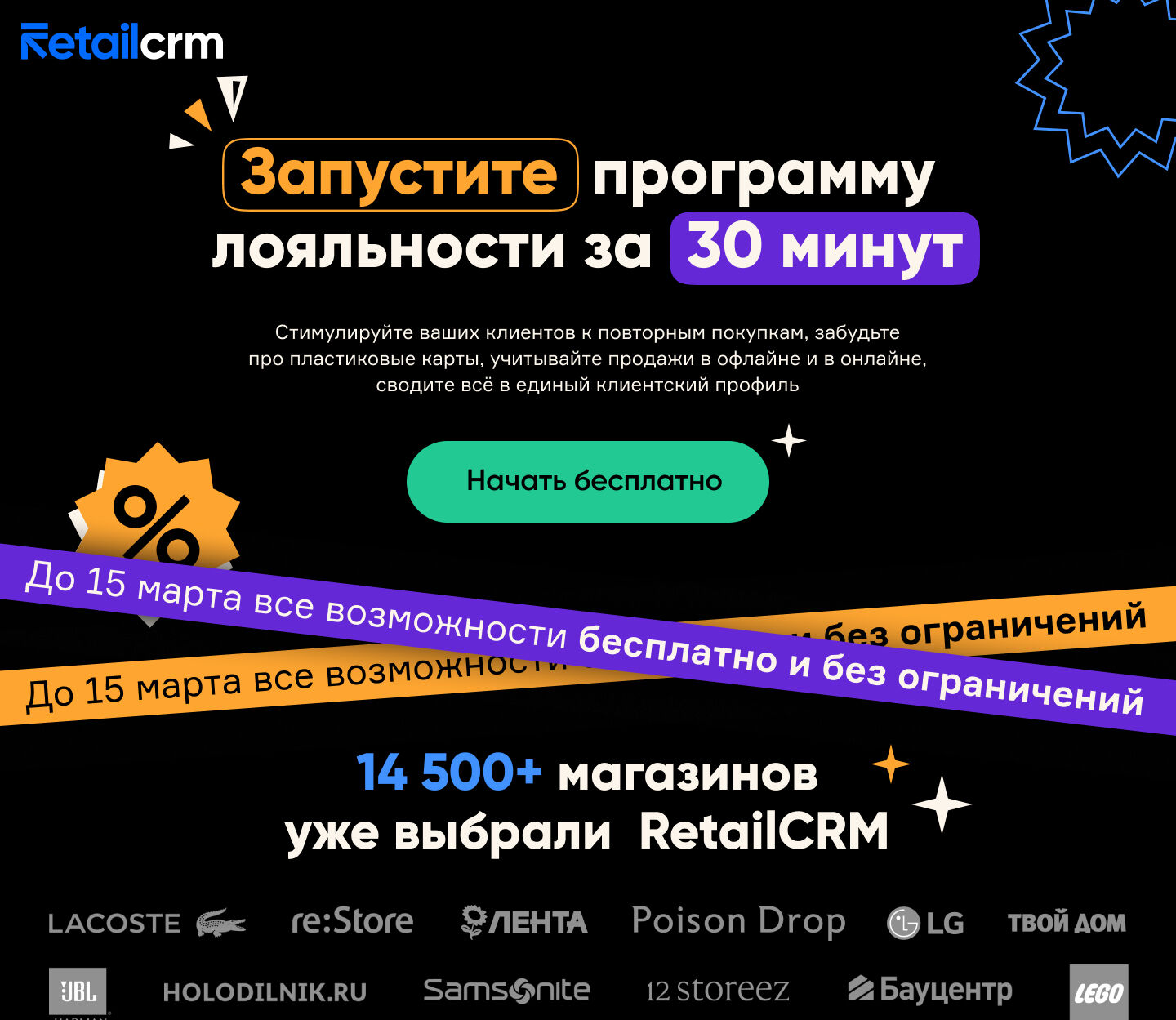
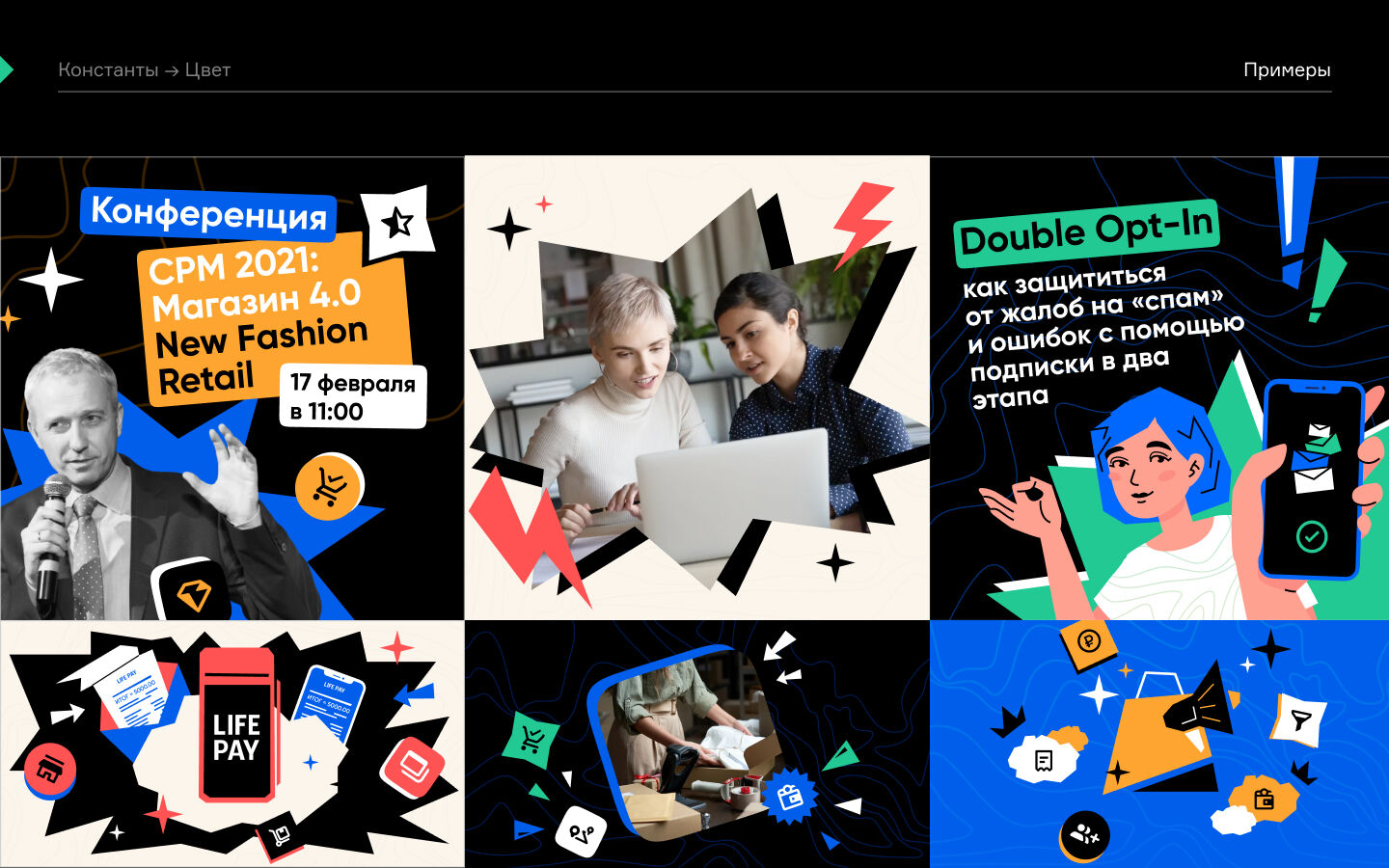
- Visual Transformation: I conducted a series of "brand sprints" with executives and department heads, redefining our tone, mission, and visual identity — from the logo to product and service branding.
- Simla.com: While changes in the Spanish interface were small, we put more effort into branding and marketing for users from Latin America, who often rely on social media for e-commerce.
- Coordinated Launch: We aligned marketing campaigns, social media, and landing pages in a unified style, so everything looked and felt consistent.
"Our rebranding elevated RetailCRM's image from a purely technological tool to a friendlier, more modern business solution."

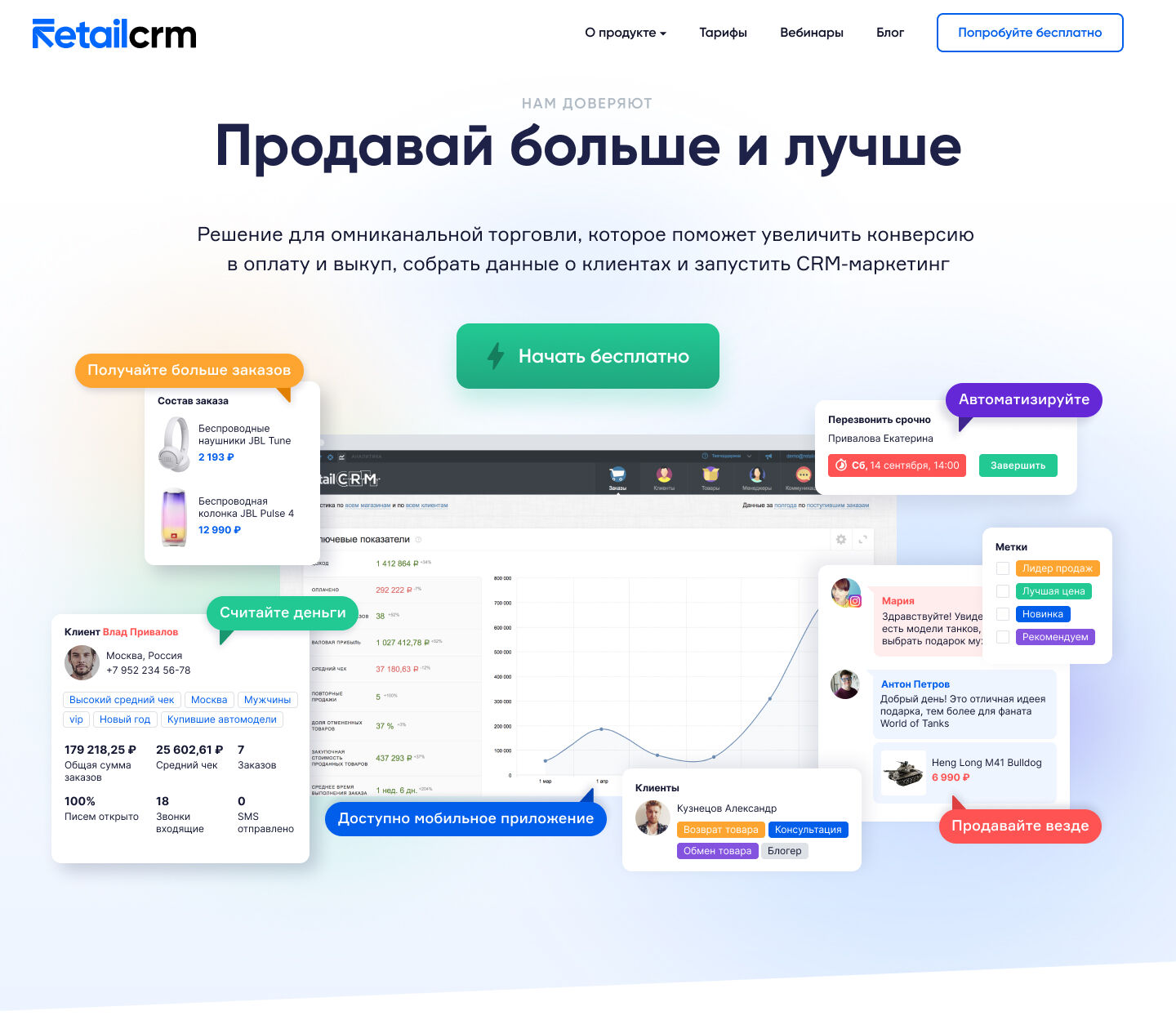
"With a dedicated team and a strong, collaborative culture, we launched numerous features we're still proud of today."

- Inclusive Understanding: We learned the importance of engaging not only business owners and stakeholders, but also directly involving operators who actually use the system every day.
- Design Education: In a development-oriented environment, it's important to show data and results that prove that UX is worth investing in development.
- Brand & Product Connection: Rebranding is more than appearance — it shapes how teams communicate and how users understand the product.
- Investing in the Future: A strong design system and UX laws and principles make it easier to evolve as the product grows.
"In the end, user-centric design took a complex SaaS and made it far more intuitive — improving both business results and customer satisfaction."
Conclusion
By driving a major UX transformation, creating a proper design system, scaling a design department, and leading a rebrand for global markets, I turned RetailCRM from a technically reliable but inconvenient product into a user-friendly platform. Through user-first design, agile teamwork, and thoughtful leadership, we delivered faster releases, happier operators, and a brand that resonates worldwide.